Emotional numbness doesn’t always feel foggy. Sometimes it brings a strange clarity — as if the emotional noise has briefly gone quiet.
Emotional numbness doesn’t always feel foggy. Sometimes it brings a strange clarity — as if the emotional noise has briefly gone quiet.

There’s a quiet moment when you realize you’ve been waiting to feel normal for years. Not for anything specific—just waiting. Seeing that pattern can change everything.

The Arkham games didn’t just let you play Batman. They let you return to him — patient, restrained, and psychologically grounded in a way few games have matched since.

Cozy games don’t calm us by being pleasant. They calm us by removing pressure — revealing how much strain we’ve normalized in everyday life.

Most self-improvement isn’t about growth—it’s about fear trying to feel safe. This article explores why “working on yourself” becomes exhausting, and how change happens without self-judgment.

When identity becomes sacred, violence feels inevitable. The Gaza–Israel conflict reveals how certainty and belonging turn stories into weapons and suffering into justification.

AI isn’t just changing work — it’s revealing how much of our identity depends on being useful. What happens when that story starts to fall apart?

There’s a familiar story we tell about aging. As people get older, they “find God.”They “settle down.”They “gain wisdom.”They “make peace with uncertainty.” It sounds noble. Mature. Almost comforting. But beneath that story, another pattern quietly repeats itself — one that’s far less flattering and far more human. What often looks like spiritual awakening is actually something else entirely:...
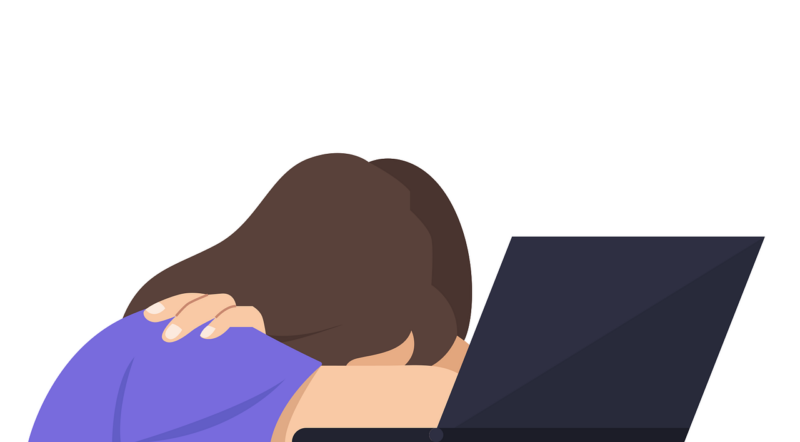
There’s a moment that catches many people off guard. You don’t raise your voice.You don’t explain yourself.You don’t attack. You simply say no — or you stop participating. And suddenly, the reaction is outsized. You’re accused of being cold.Of withdrawing.Of punishing someone. But nothing punitive actually happened. A boundary was set. Why Boundaries Feel Like Rejection Boundaries don’t announce...

There’s a moment many people recognize too late. You’ve explained yourself carefully.You chose your words.You stayed calm.You tried to be fair. And instead of relief, things feel worse. More tension.More misunderstanding.More distance. This isn’t because you explained poorly. It’s because explanations don’t work the way we’re taught to believe they do. The Myth That Being Understood Will Set You...