
Tagidentity

James Baldwin Was Never Hating White People

J

He Was Exposing a Lie America Still Needs James Baldwin was once asked a question that has never really gone away. A white interviewer told him that while reading his work, he sensed prejudice—perhaps even hatred—toward white people. Was that what Baldwin intended? Baldwin’s response was calm. Almost gentle. He said he didn’t think it was hatred at all. He explained that whenever a Black person...

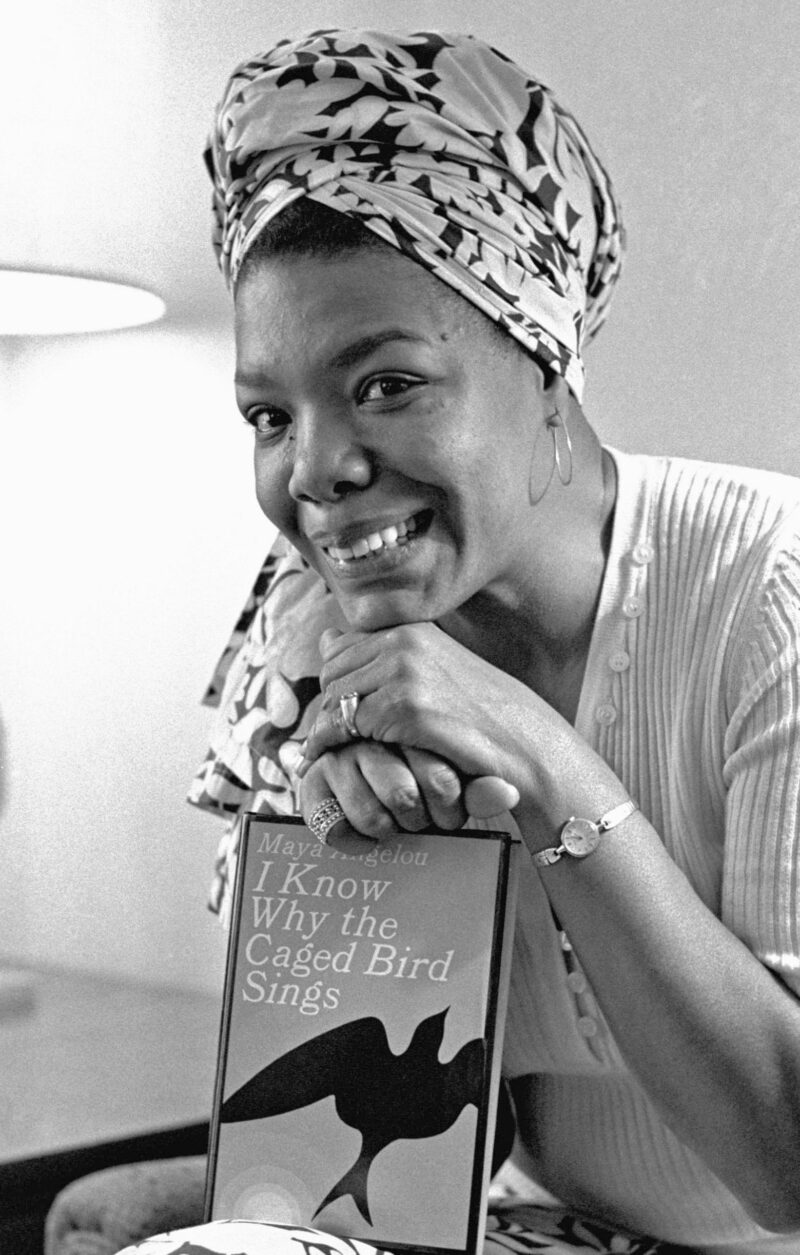
Maya Angelou and the Strength That Never Needed Permission

M

What Dignity Looks Like When It No Longer Defends Itself Maya Angelou is often remembered for her strength. Her voice.Her posture.Her refusal to shrink in a world that repeatedly asked her to. But to say she taught strength is to misunderstand what people actually felt in her presence. Maya Angelou didn’t instruct people on how to be strong. She revealed something that was already there —...

When Trust With Your Parents Quietly Changes

W

Trust doesn’t always break. Sometimes it simply changes. Not because someone lied.Not because a boundary was crossed.Not because a moment went too far. But because over time, you realize you’re no longer orienting your inner life around someone else’s presence. And that realization arrives without drama. You still care.You might still respect them.You might even still enjoy their company. But...

Family Closeness Changes Without Anyone Doing Anything Wrong

F

There’s a particular kind of grief that doesn’t arrive with conflict. No argument.No betrayal.No dramatic rupture. Just a quiet noticing that something once reliable no longer feels the same. You still talk. You still show up for holidays. You might even say “I love you” and mean it. And yet, something essential has shifted — not enough to name easily, but enough to feel everywhere. The closeness...

Why Jesus Feels Safer as a Symbol Than a Way of Life

W

Part III: When Reverence Replaces Imitation By now, a pattern should be visible. Paul didn’t just reinterpret Jesus.He helped make Jesus manageable. And once Jesus became manageable, something subtle happened:people learned to admire him instead of following him. That shift didn’t require bad intentions.It required relief. A Symbol Can’t Disrupt Your Life Symbols are powerful precisely because...

Paul Didn’t Follow Jesus — He Replaced Jesus

P

And Why That Still Shapes Christianity, Authority, and Control This claim sounds provocative only because we’ve been trained not to examine it. Most of what modern Christianity believes, practices, and enforces comes from Paul, not Jesus. That doesn’t make Paul a villain.But it does make him decisive. And once you see the distinction clearly, an uncomfortable historical question emerges: How did...

When Identity Becomes the Shortcut That Replaces Seeing

W

How Certainty Quietly Erodes Human Contact We like to believe we see people clearly. But most of the time, what we’re actually seeing is our own mental shorthand—a fast, efficient system of categories, identities, and assumptions that help us move through the world without stopping too long. This shortcut feels necessary.It feels intelligent.It feels safe. And yet, it’s often the very thing that...

When Accountability Becomes a Performance

W

Accountability is supposed to be grounding. It’s meant to repair trust, acknowledge impact, and restore clarity after something has gone wrong. But increasingly, accountability looks different. It looks rehearsed. It looks polished. It looks convincing — without actually changing anything. At that point, accountability hasn’t disappeared. It’s become a performance. The Shift From Responsibility...

Why ‘Healing’ Is Often Used to Avoid Responsibility

W

“Healing” is one of the most celebrated words of our time. It suggests growth. Self-awareness. Emotional maturity. A commitment to becoming better than before. But there’s a quieter pattern that rarely gets examined: Healing language is often used not to take responsibility — but to avoid it. When Healing Becomes a Shield At its best, healing is honest. It involves seeing clearly, feeling fully...

I Grew Up Admiring Strong Women—That’s How I Learned Gender Wasn’t the Point

I

Womanhood, Integrity, and What I Was Actually Taught to Admire I am not a woman. That sentence tends to arrive with heat attached to it, but that heat isn’t coming from me. I’m not trying to provoke. I’m not trying to negate anyone’s experience. I’m not rejecting my past or the people who shaped me. I’m trying to say something simpler—and more difficult. I’m not a good woman.I’m not a bad woman...

Get in touch

The 2nd Edition is Available Now!