CategoryCulture, Media & Collective Psychology

Observations on culture, media, politics, celebrity, and collective behavior through the lens of awareness. These pieces examine how attention, outrage, fear, and identity are shaped at scale — and why the world often feels louder, faster, and more reactive than it needs to be.

Why Is Ancient Rome So Often Imagined as White? History, Hollywood, and the Manosphere’s Fascination with Rome

W

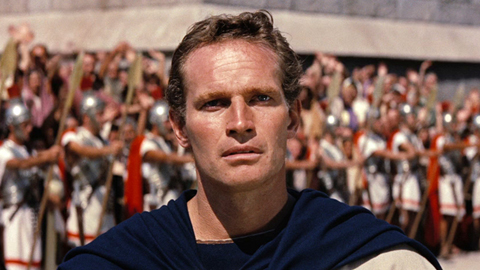
Ancient Rome has become one of history’s most recognizable civilizations. Its emperors, soldiers, senators, gladiators, and philosophers continue to appear in films, television series, video games, and online discussions. At the same time, Rome has become something of a cultural obsession within parts of the online manosphere. Quotes attributed to Roman emperors circulate widely. Marble...


Is This Really Your Life? 8 Questions That Reveal What You’ve Inherited

I

Most people assume they are living their own life. After all, you chose your career—or at least it feels like you did. You have your own opinions, your own goals, your own relationships, your own routines. From the inside, your life appears uniquely yours. Yet psychology, sociology, and neuroscience all point toward an uncomfortable reality: human beings are profoundly shaped by their...

What Is White Culture?

W

If you’ve ever searched “What is white culture?”, you’re not alone. It’s one of many questions people ask while trying to understand race, identity, and society. The challenge is that there isn’t one universally accepted definition of white culture. Some people believe it refers to the collective cultures of Europe. Others use it to describe mainstream Western...

Is Zionism a Trauma Response?

I

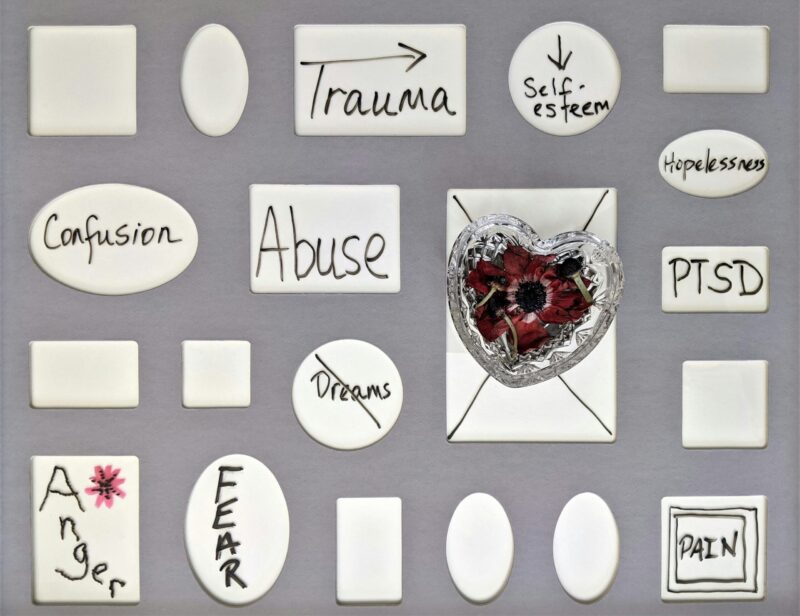
How Persecution, Survival, and Identity Can Shape the Choices of Entire Nations Few political movements have generated as much admiration, criticism, and misunderstanding as Zionism. To some, it represents the liberation of a people who endured centuries of persecution and ultimately survived one of history’s greatest atrocities. To others, it represents a settler-colonial movement that...

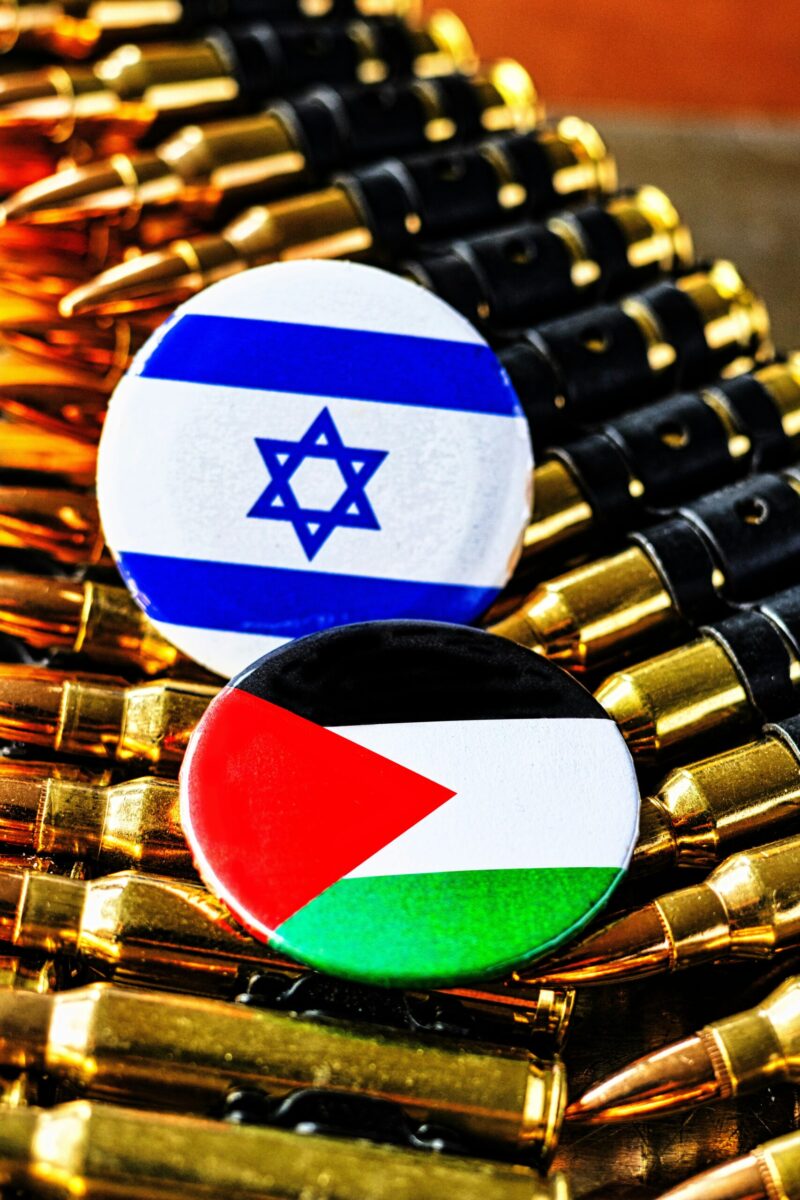
Israel, Palestine, and the Cost of Becoming “The Other”

I

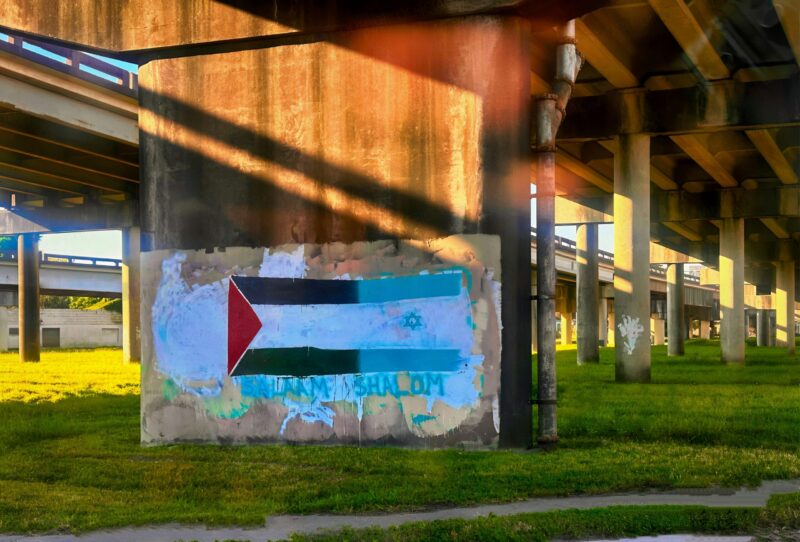
Examining the Evidence, the History, and the Psychology Behind One of Humanity’s Deepest Divisions There are few subjects that generate as much certainty, grief, anger, and division as Israel and Palestine. Entire conversations often end before they begin because people assume that understanding one side requires rejecting the humanity of the other. Labels quickly replace curiosity...

Palestine and the Palestinian People

P

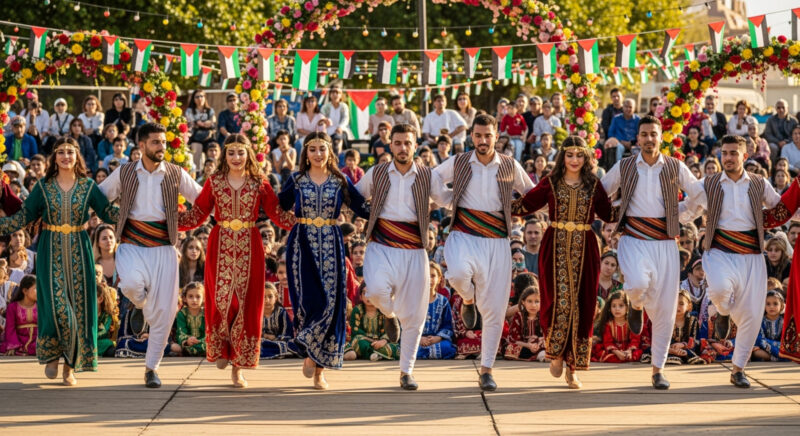
A Historical Report on Origins, Society, Displacement and Culture Palestine is a historic region of the eastern Mediterranean that has been inhabited, governed and culturally transformed by many peoples over thousands of years. Its history includes ancient Canaanite communities; the kingdoms of Israel and Judah; Assyrian, Babylonian, Persian, Greek, Roman and Byzantine rule; centuries of Islamic...

Who Wrote and Approved the Balfour Declaration?

W

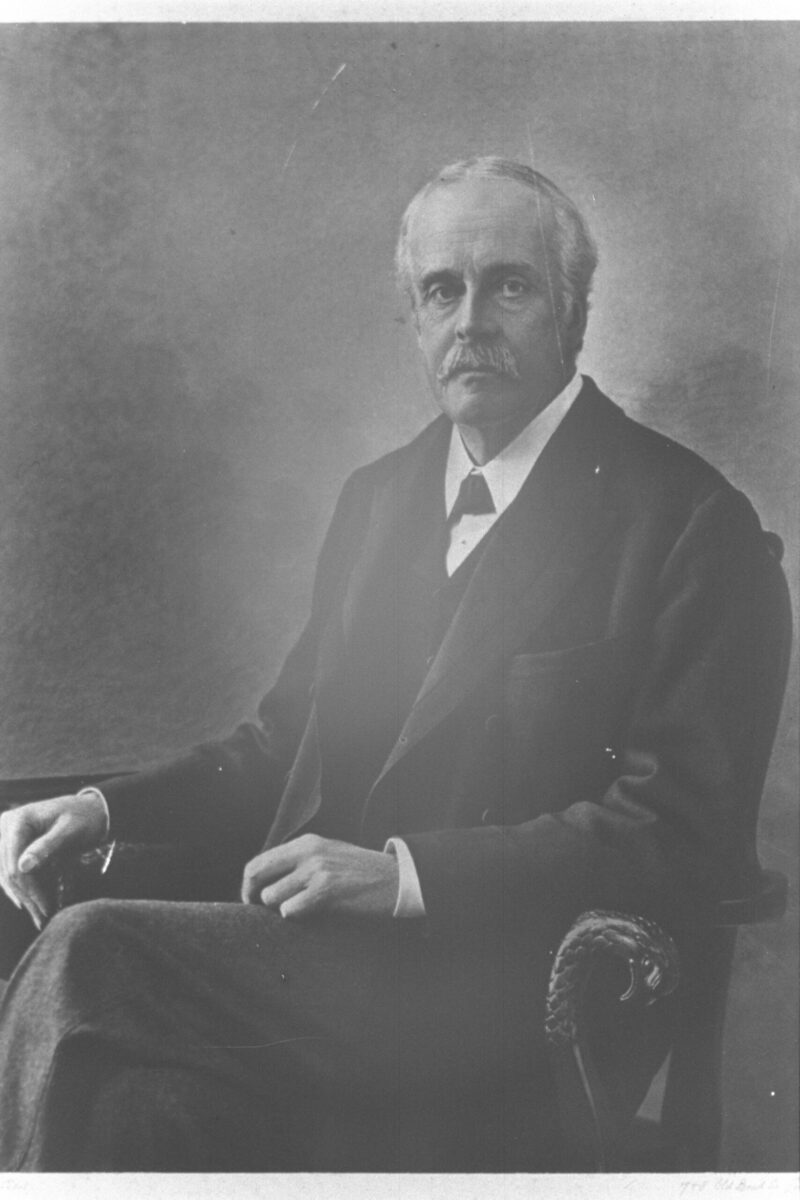
The Rothschild Family’s Documented Role in Palestine and the Creation of Israel Executive summary The Balfour Declaration was an official statement of British government policy issued on November 2, 1917. It took the form of a short letter from British Foreign Secretary Arthur James Balfour to Lionel Walter Rothschild, 2nd Baron Rothschild. Balfour signed and transmitted the final letter, but he...

What Does “Semitic” Mean?

W

and Does Antisemitism Include More Than Jewish People? The word Semitic originally referred primarily to a family of related languages, including Hebrew, Arabic, Aramaic, Akkadian, Amharic and several others. It was later misused by nineteenth-century European writers as though it described a biological race. In older racial and ethnographic classifications, both Jews and Arabs were frequently...

All Criticism of Zionism Is Not Antisemitic

A

Executive summary Zionism is a modern movement supporting Jewish national self-determination in the historic Land of Israel or Palestine. It developed in the late nineteenth century in response to European nationalism, antisemitism, persecution and debates about the political future of Jewish communities. Criticism of Zionism is not inherently antisemitic. Zionism is a political and nationalist...

Zionism and Judaism: What They Mean and How They Differ

Z

Central distinction Judaism is an ancient religious and cultural tradition associated with the Jewish people. It includes theology, sacred texts, religious law, ethics, rituals, communal institutions, history and diverse forms of Jewish identity. Zionism is a modern political and national movement that emerged primarily in Europe during the late nineteenth century. Its central objective was...

Get in touch

The 2nd Edition is Available Now!