4D spirituality didn’t disappear — it evolved. This piece explores how cosmic language gave way to therapeutic terms while preserving the same need for orientation and control.
4D spirituality didn’t disappear — it evolved. This piece explores how cosmic language gave way to therapeutic terms while preserving the same need for orientation and control.

“4D consciousness” isn’t a higher dimension — it’s a story told at the edge of identity collapse. This piece explores why it feels real and what it hides.

“High vibration” thinking often sounds spiritual — but it’s frequently judgment in softer language. This piece explores how hierarchy sneaks back in through vibration.

You don’t manifest what you want. You manifest what you are. This piece explores why wanting reinforces lack — and what actually changes experience.

Spiritual language can sound like clarity — but often it’s just avoidance with better words. This piece explores how insight turns into identity.

Twin flames aren’t cosmic — they’re codependent. This piece explores why intensity gets mistaken for destiny, and what fear of being alone has to do with spiritualized relationships.
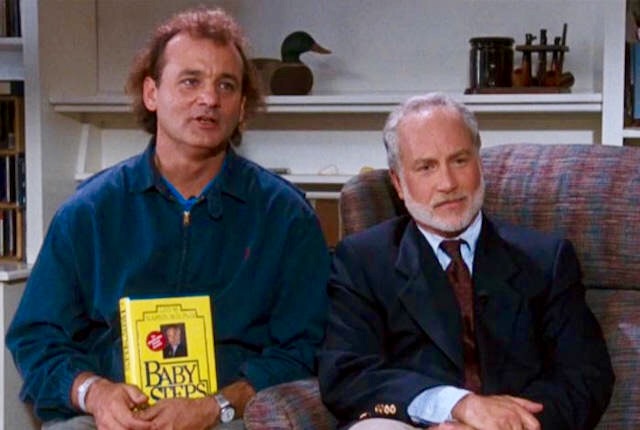
What About Bob? is more than a comedy—it’s a surprisingly sharp story about ego, control, and how healing happens when identity loosens its grip.

Sometimes joy doesn’t feel like relief — it feels suspicious. This piece explores why ease can feel unsettling, and what joy quietly reveals when nothing needs fixing.

If there’s no separate self, why does love still feel hard? This article explores the quiet questions that arise when non-dual insight meets intimacy.

When love starts to feel disorienting instead of grounding, it may not be a problem with intimacy — but a sign that identity itself is relaxing.