CategoryIdentity, Self & Psychological Narratives

Explorations of identity, self-concept, authenticity, and the stories we live inside without noticing. These articles look at how roles, labels, beliefs, and psychological narratives quietly shape experience — and how suffering often arises from defending an idea of who we think we are.

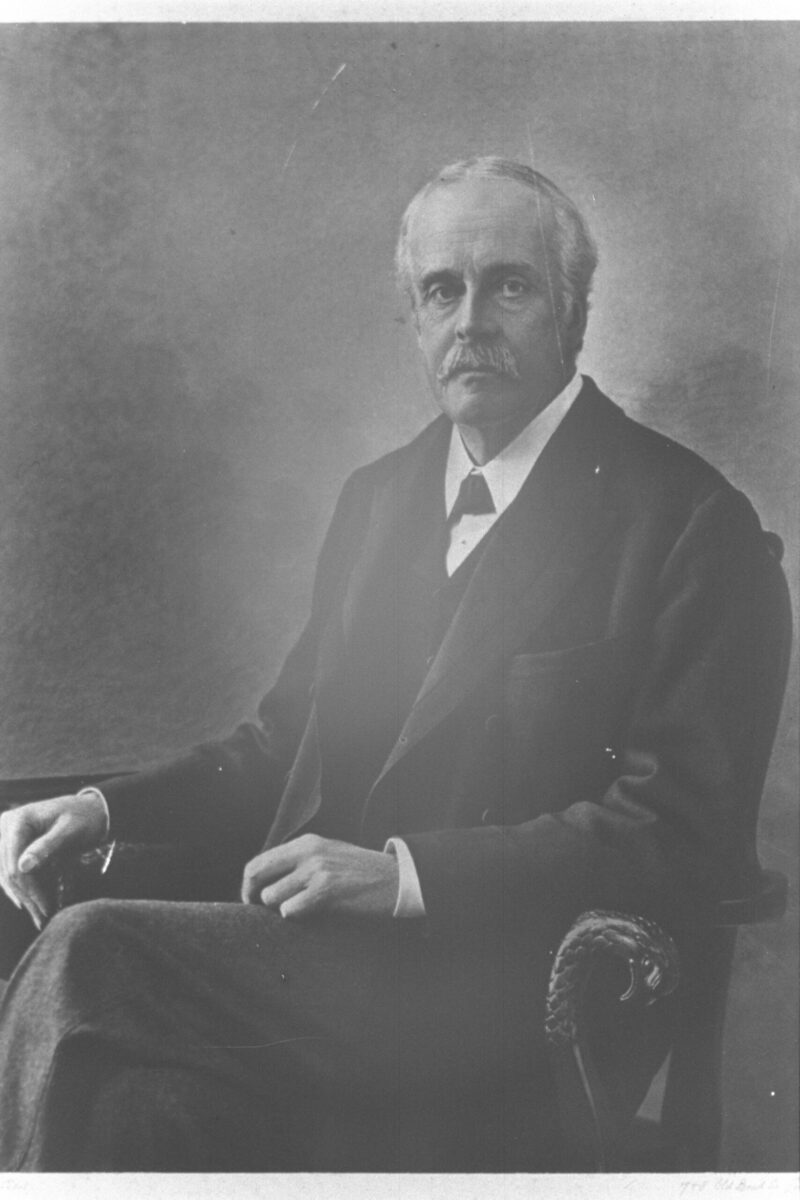
Who Wrote and Approved the Balfour Declaration?

W

The Rothschild Family’s Documented Role in Palestine and the Creation of Israel Executive summary The Balfour Declaration was an official statement of British government policy issued on November 2, 1917. It took the form of a short letter from British Foreign Secretary Arthur James Balfour to Lionel Walter Rothschild, 2nd Baron Rothschild. Balfour signed and transmitted the final letter, but he...
Zionism and Judaism: What They Mean and How They Differ

Z

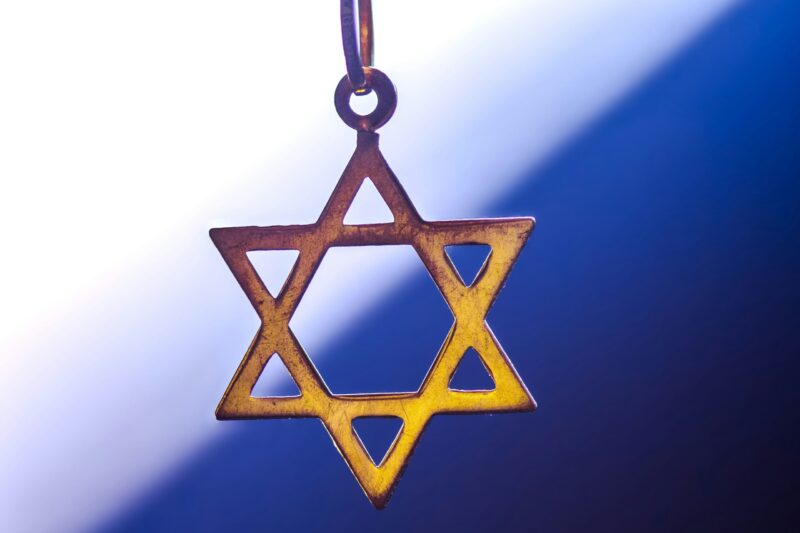
Central distinction Judaism is an ancient religious and cultural tradition associated with the Jewish people. It includes theology, sacred texts, religious law, ethics, rituals, communal institutions, history and diverse forms of Jewish identity. Zionism is a modern political and national movement that emerged primarily in Europe during the late nineteenth century. Its central objective was...

Why Does Grief Change Us?

W

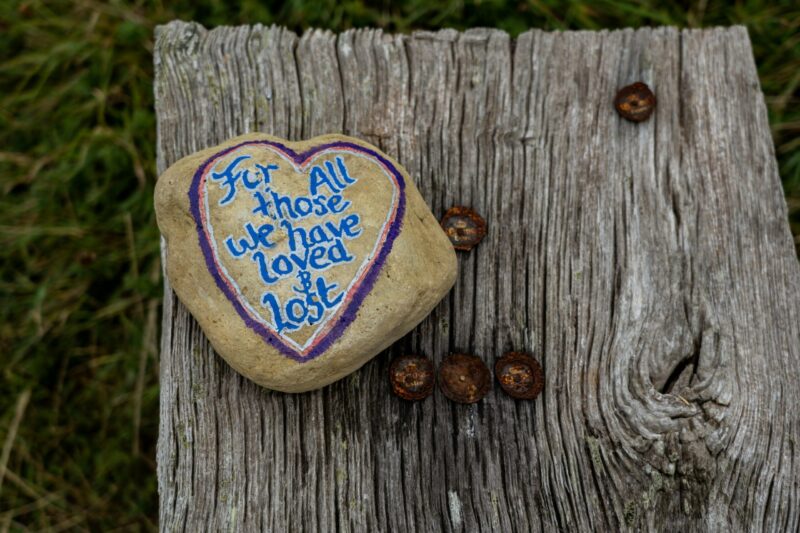
What if grief doesn’t simply reflect what we’ve lost—but also reveals who we’re becoming? Grief has a way of dividing life into two chapters. There is the life that existed before the loss, and the life that follows it. Whether we lose a parent, partner, child, friend, home, dream, career, or even the version of ourselves we once believed we would become, grief rarely leaves us...

What Does Research Say About Homophobia?

W

Is homophobia driven by fear of being gay, fear of femininity, or something deeper? Homophobia is often discussed as though it has a single cause. Some people argue it comes from religious beliefs. Others see it as a product of culture or politics. A popular claim suggests that people who express homophobic attitudes are secretly gay themselves. Another argues that homophobia is rooted in...

Why Do Some Women Support Traditional Gender Roles?

W

Understanding internalized sexism, identity, social media, and why people sometimes support systems that appear to work against their own interests. It can seem like a contradiction. Some women campaign for greater equality and expanded opportunities, while others advocate for more traditional gender roles, criticize feminism, or even express support for limiting rights that many women have...

Did Affirmative Action Create Reverse Discrimination?

D

What the Evidence Actually Shows Public conversations about affirmative action often produce more certainty than clarity. Some people argue that affirmative action unfairly discriminated against White Americans and created a new form of racism. Others argue that it barely scratched the surface of centuries of inequality. Between these opposing views lies a more interesting question—one that can...

Why Do We Want to Be Special?

W

If every person is already unique, why do so many of us spend our lives trying to prove it? From an early age, many of us receive two seemingly contradictory messages. On one hand, we’re told that everyone is unique. No two people are exactly alike. We each have our own personality, experiences, abilities, and perspective. We are encouraged to celebrate our individuality. On the other hand...

What Is a Victim Mentality?

W

Understanding the difference between being harmed and becoming defined by your pain. The phrase “victim mentality” often creates strong reactions. For some people, it feels dismissive, as though it minimizes genuine suffering or blames people for experiences they never chose. For others, it describes a mindset where someone avoids responsibility by constantly pointing to external...

What Do I Truly Value Most?

W

What if your deepest values aren’t revealed by what you believe—but by what continually shapes the way you live? Few questions are more important than this one. What do I truly value most? At first, the answer often seems obvious. Most of us would say we value love, honesty, freedom, family, health, kindness, or authenticity. We may even have a list of principles we hope to live by and...

Who am I? who do I want to become?

W

What if the question isn’t who you are—but why you believe you have to become someone else? There are few questions more deeply human than these. Who am I? Who do I want to become? Whether we’re aware of it or not, much of our lives revolve around trying to answer these questions. We choose careers, align ourselves with communities and causes, pursue achievements, adopt beliefs, and...

Get in touch

The 2nd Edition is Available Now!