
Inflation and inequality are often treated as policy failures. This article suggests they may be the natural outcome of a monetary system that cannot recognize “enough,” and examines how our collective mentality quietly becomes the world we live in.
Observations on culture, media, politics, celebrity, and collective behavior through the lens of awareness. These pieces examine how attention, outrage, fear, and identity are shaped at scale — and why the world often feels louder, faster, and more reactive than it needs to be.
Inflation and inequality are often treated as policy failures. This article suggests they may be the natural outcome of a monetary system that cannot recognize “enough,” and examines how our collective mentality quietly becomes the world we live in.
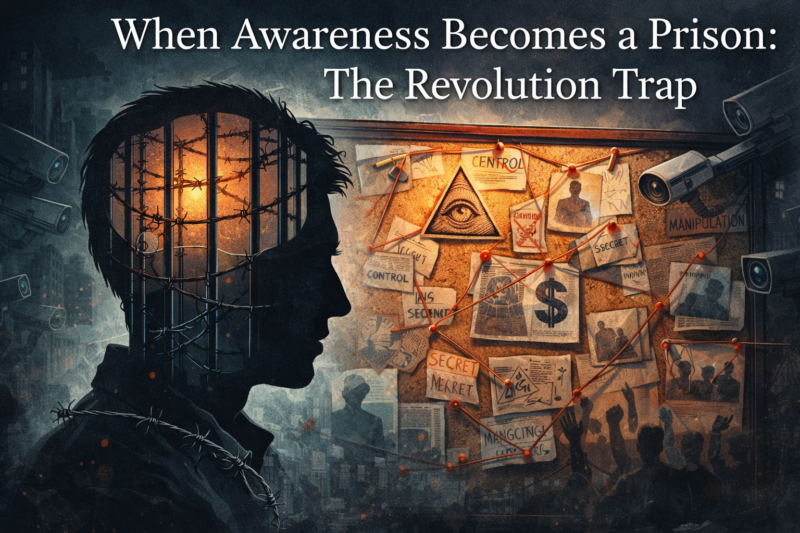
Awareness of injustice can feel empowering—until it becomes identity, opposition, and psychological captivity. This article explores the Revolution Trap and why real change begins closer than we think.

There’s a moment when you realize no one actually knows how to live—not governments, institutions, or spiritual leaders. This piece explores why that realization feels destabilizing, and how it quietly changes your relationship with everything.

Submission is often confused with obedience. This article explores Islam’s outward orientation, the cost of fear-based religion, and the inward recognition it can obscure.

And Why That Still Shapes Christianity, Authority, and Control This claim sounds provocative only because we’ve been trained not to examine it. Most of what modern Christianity believes, practices, and enforces comes from Paul, not Jesus. That doesn’t make Paul a villain.But it does make him decisive. And once you see the distinction clearly, an uncomfortable historical question emerges: How did...

Authenticity is trending online—but not as a virtue. It’s emerging as a response to identity fatigue in a world shaped by algorithms and constant self-presentation.

Colonization did not begin with Europe, nor does it end with empires. It begins with a mentality—one that divides the world into self and other, owner and owned.
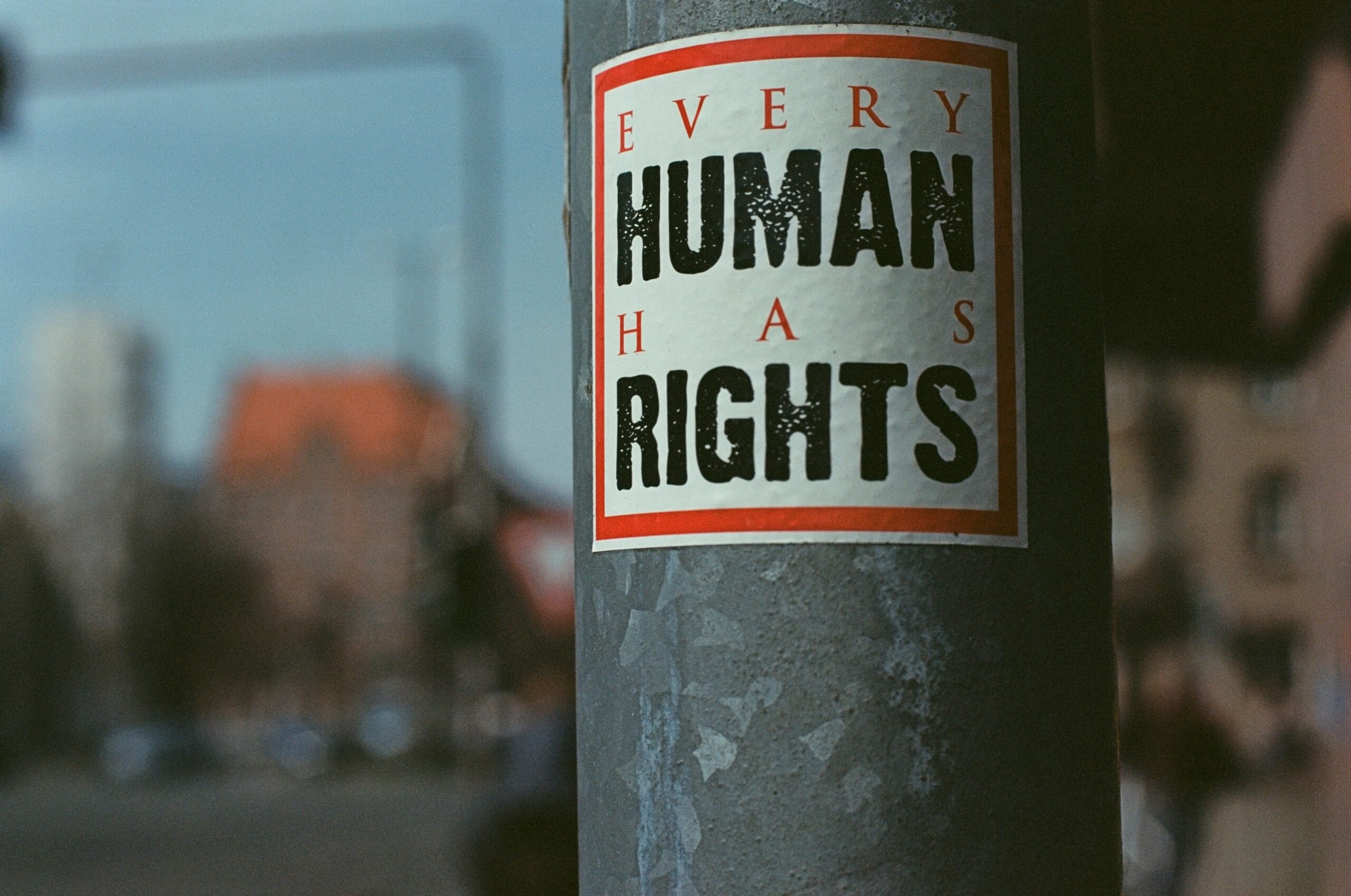
And Why That Was Never an Accident It’s easy to assume that if something isn’t treated as a right, it must be because making it universal is impossible. Healthcare is “too expensive.”Housing is “too complex.”Food and water must be “managed by markets.” But that explanation falls apart the moment you notice something obvious: The people who govern us already have these needs guaranteed. Monarchs...

Most people don’t wake up one day and decide to hand their lives over to systems they don’t control. Dependence isn’t chosen in a single moment.It’s inherited.Normalized.Reinforced by necessity. We’re born into structures that manage water, food, housing, healthcare, money, energy, and time. We’re taught these systems are fixed—too big to change, too complex to question. We’re told survival...

For nearly two centuries, one of the most commonly used tools in women’s healthcare barely changed. The vaginal speculum — a device used during gynecological exams to examine the vagina and cervix — has long been associated with discomfort, fear, and anxiety. Despite enormous advances in medicine and technology, its basic design remained largely the same since the mid-19th century. That is now...