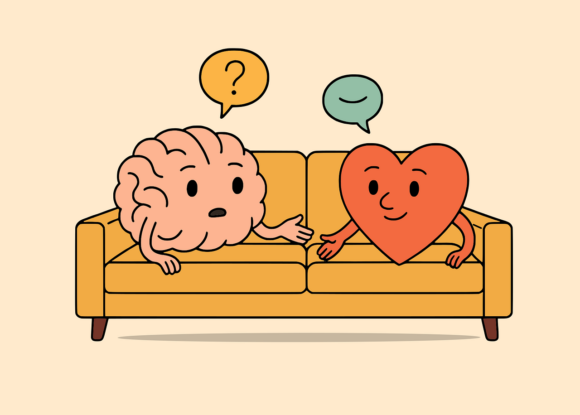
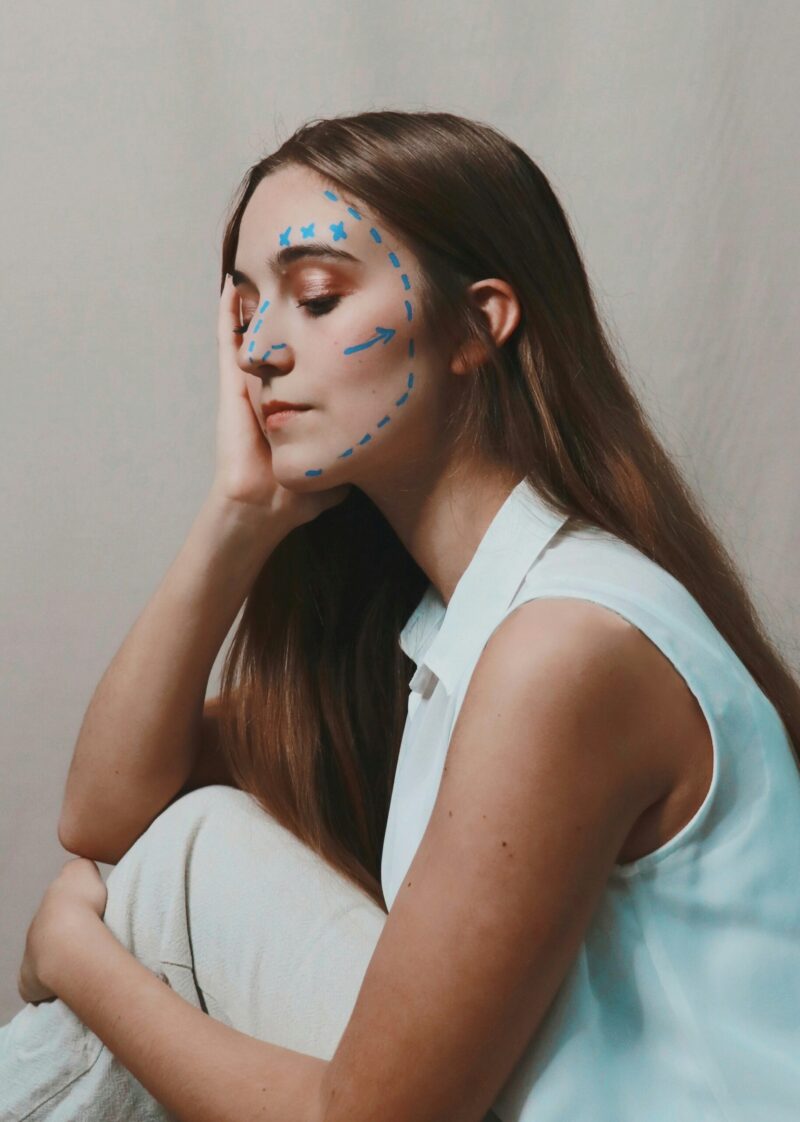
Looksmaxxing promises that improving your appearance will improve your life. Sometimes it does. The deeper question is whether it can ever answer the need to feel enough.
If you’ve spent time on TikTok, YouTube, Reddit, Instagram, or other self-improvement communities, you’ve probably come across the term looksmaxxing.
For some people, it’s simply another internet trend. For others, it has become an entire philosophy of self-improvement built around physical appearance. Millions of videos now offer advice on improving facial symmetry, building muscle, developing a skincare routine, dressing better, whitening teeth, optimizing hairstyles, and becoming more conventionally attractive.
At first glance, much of this advice seems perfectly reasonable.
Taking care of your health matters. Exercising regularly improves both your physical and mental well-being. Good hygiene, healthy nutrition, quality sleep, and clothing that helps you feel confident can all enrich your life.
There’s nothing inherently wrong with wanting to look your best.
The difficulty begins when your appearance becomes the measure of your worth.
What Is Looksmaxxing?
Looksmaxxing is an internet term that refers to intentionally improving your physical appearance to become more attractive.
For many people, looksmaxxing simply means building healthier habits. It might involve exercising consistently, improving your diet, developing a skincare routine, dressing more intentionally, getting enough sleep, or learning better grooming habits. In this sense, looksmaxxing overlaps with ordinary self-care.
In other online communities, however, the idea becomes much more extreme. It can involve obsessively measuring facial proportions, chasing highly specific beauty standards, spending thousands of dollars on cosmetic procedures, or believing that physical attractiveness determines nearly every opportunity in life.
The word itself isn’t the problem.
Like many internet trends, it simply reveals something much older than social media.
The desire to become someone who feels worthy of being seen.
Why Has Looksmaxxing Become So Popular?
There has always been pressure to look attractive.
Fashion magazines, television, movies, and advertising have shaped beauty standards for generations. Social media didn’t invent comparison.
It made comparison continuous.
Every day we encounter thousands of carefully selected images showing people at their absolute best. Perfect lighting, flattering angles, editing software, filters, cosmetic procedures, and professional photography have become so common that they often disappear into the background. We compare ourselves to images that were never meant to represent ordinary life.
The human mind was never designed for that amount of comparison.
Yet many people now spend hours every day measuring themselves against impossible standards without even realizing it.
The Mirror Has Become a Scoreboard
Notice what happens when appearance becomes a project instead of a relationship.
Looking in the mirror is no longer simply seeing yourself.
It’s evaluating yourself.
Your skin becomes a grade.
Your weight becomes a grade.
Your jawline becomes a grade.
Your hair becomes a grade.
Every feature quietly turns into evidence supporting the conclusion that you’re either succeeding or falling behind.
The mirror stops reflecting your body.
It begins reflecting your self-worth.
The Promise Beneath Looksmaxxing
Consider what many people hope will happen after becoming more attractive.
They imagine becoming more confident.
More accepted.
More desirable.
More respected.
More lovable.
Very few people actually want clearer skin simply because they enjoy skincare.
They hope that changing their appearance will change the way they experience themselves.
Sometimes it does.
A healthier lifestyle can absolutely improve confidence.
The difficulty begins when confidence depends entirely upon maintaining a certain appearance.
That’s a burden no face can carry forever.
Is Looksmaxxing Actually Making People Happier?
This is where the conversation becomes more interesting.
Some forms of looksmaxxing genuinely improve quality of life. Better nutrition creates more energy. Exercise strengthens both body and mind. Taking care of your appearance can increase confidence and encourage healthier habits.
The problem isn’t looksmaxxing itself.
The problem is believing there’s a finish line.
Notice how quickly the goal changes.
Your skin improves.
Now your teeth feel imperfect.
You build muscle.
Now your height feels like the problem.
You improve your wardrobe.
Now your nose seems too large.
Every improvement reveals another feature demanding attention.
Not because you’ve failed.
Because comparison never reaches satisfaction.
It only finds new differences to measure.
Beauty Standards Never Stop Moving
It’s easy to assume beauty has an objective definition.
History tells a different story.
Body types, hairstyles, facial features, clothing styles, skin tones, and even expressions of masculinity and femininity have changed dramatically across cultures and throughout history. Features once considered beautiful later became undesirable, while qualities that were once criticized eventually became fashionable.
If beauty standards continually change, then building your identity around meeting them creates a life that’s constantly chasing something unstable.
The standard moves.
Your worth shouldn’t have to move with it.
Appearance Is Only One Part of Attraction
Another way of looking at looksmaxxing is to ask what actually keeps people connected.
Appearance often opens a conversation.
It rarely sustains one.
The people we trust most are rarely defined by their facial symmetry. We remember how they made us feel. We remember their kindness, humor, curiosity, generosity, confidence, honesty, and presence.
These qualities don’t replace physical attraction.
They deepen it.
The most attractive people often possess something that has very little to do with appearance.
They’re comfortable being themselves.
Taking Care of Yourself Isn’t the Same as Trying to Earn Love
What often goes unnoticed is that two people can perform the exact same habits for completely different reasons.
One person exercises because movement feels good.
Another exercises because they believe they’ll never deserve love otherwise.
One develops a skincare routine because it feels nurturing.
Another hopes every new product will finally make them acceptable.
The behavior looks identical.
The relationship beneath it is completely different.
Growth becomes healthy when it expresses self-respect.
It becomes exhausting when it’s driven by self-rejection.
You Are More Than Something to Optimize
Modern internet culture encourages us to treat ourselves like ongoing improvement projects.
Everything becomes measurable.
Everything becomes comparable.
Everything becomes something to optimize.
Over time, we begin relating to ourselves the way companies relate to quarterly performance reports. Every perceived flaw becomes another problem waiting to be solved. Rest begins feeling unproductive. Acceptance starts looking like complacency.
Life slowly turns into self-management.
The irony is that many of the experiences we’re actually searching for—connection, joy, intimacy, creativity, love, and belonging—rarely emerge from constant self-evaluation.
They emerge through participation.
Final Thoughts
There’s nothing wrong with wanting to become healthier, stronger, or more confident.
Taking care of your body is an expression of respect for the life you’re living. Healthy habits matter. Exercise matters. Nutrition matters. Sleep matters. Looking after yourself can genuinely improve your well-being.
The challenge begins when appearance becomes responsible for answering a question it was never designed to answer.
Am I enough?
No amount of external improvement can permanently resolve that question because it was never created by your reflection.
Your appearance is one expression of who you are.
It has never been the entirety of you.
Real confidence doesn’t appear because you’ve eliminated every flaw.
It grows through the realization that your worth was never waiting on perfection in the first place.
Frequently Asked Questions
What is looksmaxxing?
Looksmaxxing is an internet trend focused on improving physical appearance. It can include healthy habits like exercising, eating nutritious food, improving skincare, dressing well, and getting enough sleep. In some online communities, it also refers to more extreme attempts to maximize attractiveness through cosmetic procedures or rigid beauty standards.
Is looksmaxxing healthy?
Looksmaxxing can be healthy when it encourages habits that improve your physical and mental well-being. It becomes unhealthy when appearance determines your self-worth or when comparison and perfectionism begin driving every decision.
Why has looksmaxxing become so popular?
Social media has made appearance more visible and more comparable than ever before. Constant exposure to curated images and influencers encourages many people to believe they must continually optimize their appearance to feel confident, accepted, or successful.
What’s the difference between self-care and looksmaxxing?
Self-care is about supporting your health and well-being because your life matters. Looksmaxxing becomes problematic when improving your appearance becomes a way of trying to earn love, acceptance, or a sense of worth.
Continue the Exploration
If this article resonated with you, you’ve encountered one of the central themes explored throughout Proof That You’re God. The book explores why our identities—including the way we look—often become substitutes for the deeper question of who we believe ourselves to be. As that confusion begins to dissolve, self-care becomes less about fixing yourself and more about expressing the life that’s already here.