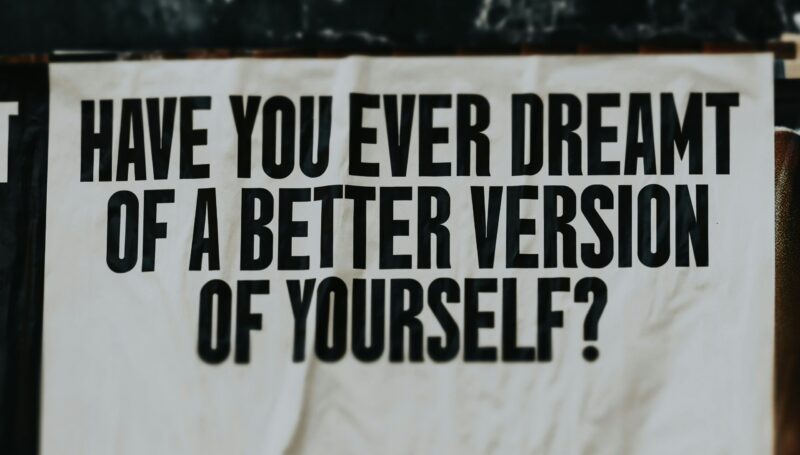
The difficulty begins when self-improvement becomes the only place you believe you’ll finally feel enough.
If you’ve spent any time on TikTok, Instagram, YouTube, or X recently, you’ve probably come across the term lifemaxxing.
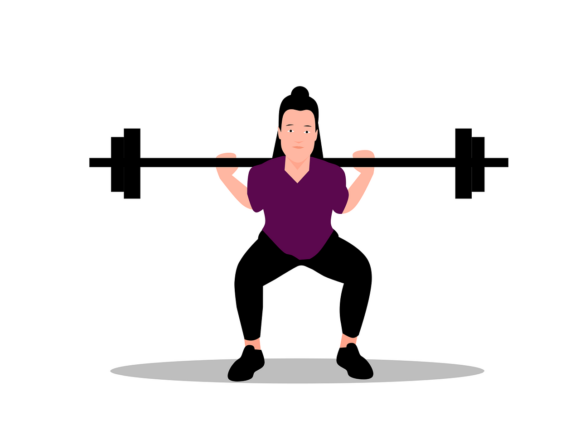
At first glance, it sounds like another internet trend destined to disappear as quickly as it arrived. But the idea behind it has been quietly gaining momentum for years. Wake up at 5 a.m. Optimize your sleep. Track your habits. Lift weights. Eat the perfect diet. Read more books. Learn new skills. Meditate. Build multiple income streams. Improve your appearance. Reduce distractions. Become more disciplined. Become more productive.
Become the best version of yourself.
On the surface, there’s very little to criticize. Most of these habits are genuinely healthy. Regular exercise improves both physical and mental health. Quality sleep affects nearly every aspect of well-being. Learning new skills expands our opportunities. Developing discipline allows us to accomplish meaningful goals.
None of these things are the problem.
The deeper question is why so many people feel compelled to optimize every part of themselves all at once.
Improvement Has Become an Identity
Self-improvement has always existed, but something has changed.
For previous generations, improving yourself was often one part of life. Today, it has become an identity all its own. Social media has transformed personal growth into a lifestyle that’s constantly on display. Morning routines become content. Workout programs become brands. Productivity systems become personalities. Every habit is shared, compared, measured, and ranked.
Improvement is no longer simply something we do.
For many people, it has become who they are.
That shift creates subtle pressure. Instead of asking whether a habit genuinely helps us live well, we begin asking whether it looks like the habits of someone successful. Our attention quietly moves away from our own experience and toward an imagined standard we believe we’re supposed to embody.
The Internet Never Lets You Arrive
Notice how quickly one goal is replaced by another.
You finally establish a morning routine. Now optimize your nutrition. Your nutrition improves. Now build more muscle. Your fitness improves. Now increase your income. Your career advances. Now improve your relationships. You become a better partner. Now learn another language. Then start a business. Then travel more. Then invest earlier. Then meditate longer. Then wake up even earlier. The finish line keeps moving.
Social media rarely celebrates enough. It rewards novelty, transformation, and constant progress. Someone who is peacefully content doesn’t generate nearly as much engagement as someone who is chasing another dramatic improvement.
As a result, lifemaxxing can quietly become a treadmill disguised as a destination.
The Illusion of the Perfect Version of Yourself
It’s easy to assume there’s an ideal version of ourselves waiting somewhere in the future.
If we become disciplined enough…
Confident enough…
Healthy enough…
Successful enough…
Productive enough… Then life will finally begin.
This assumption gives every improvement enormous emotional weight because each new habit feels like one step closer to becoming the person we believe we’re supposed to be. The difficulty is that no matter how much we improve, the imagined future version always remains slightly ahead of us.
Perfection has an extraordinary ability to move just beyond reach.
Growth Isn’t the Same as Escape
Improving yourself can come from two very different places.
Sometimes we grow because we’re genuinely curious. We enjoy learning. We enjoy becoming healthier. We enjoy discovering what we’re capable of. Growth feels playful, creative, and deeply alive.
Other times, improvement becomes an escape. We aren’t exercising because we enjoy movement. We’re exercising because we don’t believe we’re acceptable yet. We aren’t reading because we love learning. We’re reading because we’re afraid of falling behind. We aren’t building healthy habits because they enrich our lives. We’re desperately trying to outrun the uncomfortable feeling that who we are today isn’t enough.
From the outside, these two lives may look almost identical.
Internally, they couldn’t be more different.
Comparison Quietly Becomes the Fuel
What often goes unnoticed is how much lifemaxxing depends upon comparison.
Every scroll introduces another person who appears more disciplined, wealthier, stronger, happier, more attractive, or more accomplished. Algorithms naturally highlight exceptional examples because they’re more likely to capture our attention.
Our ordinary Tuesday morning is compared against someone else’s carefully edited highlight reel.
Without realizing it, self-improvement slowly shifts from personal growth to social competition. We’re no longer asking what kind of life feels meaningful to us. We’re asking how close we are to someone else’s version of success.
You Are Not a Project to Finish
Many people approach themselves the way a company approaches quarterly performance.
Everything becomes something to optimize.
Sleep efficiency. Calories. Productivity. Mood. Relationships. Income. Creativity. Even rest becomes another task to complete correctly. Over time, life begins feeling less like something we’re experiencing and more like something we’re constantly managing. The irony is that many of the qualities we’re trying to cultivate—joy, connection, creativity, love, wonder—rarely emerge from relentless optimization. They appear most naturally when we’re actually participating in life instead of constantly evaluating it.
You are not software awaiting its next update.
You’re a living human being.
Real Growth Includes Imperfection
Consider how every meaningful relationship develops.
Nobody expects perfection from a close friend before deciding they’re worthy of love. Parents don’t wait until their children become flawless before caring for them. Great teachers don’t refuse to teach students until they’ve mastered the subject.
Growth has always included imperfection.
Some days we feel motivated. Some days we don’t.
Some habits last. Others fall apart.
Sometimes we succeed. Sometimes we begin again.
None of those moments invalidate the process.
They are the process.
The Goal Was Never to Become Someone Else
Another way of looking at lifemaxxing is to ask a surprisingly simple question.
Who are you trying to become?
For many people, the answer isn’t entirely their own. It’s been assembled from influencers, entrepreneurs, athletes, celebrities, podcasts, productivity experts, self-help books, and endless social media feeds. Each contributes another piece to an ideal identity that somehow always feels more valuable than the person looking into the mirror.
There’s nothing wrong with learning from others.
The difficulty begins when inspiration quietly becomes imitation.
Growth should help you express more of yourself, not replace yourself with someone else’s blueprint.
A Better Question Than “How Can I Optimize My Life?”
Self-improvement isn’t the enemy. Neither is discipline. Neither is ambition. The problem isn’t wanting to grow. The problem begins when growth becomes a condition for allowing yourself to fully participate in your life.
Notice how different these two questions feel.
“How can I become enough?”
“How can I participate more fully in the life I’m already living?”
The first creates endless striving because “enough” is always moving.
The second invites presence because participation is always available.
Final Thoughts
Lifemaxxing reflects something deeply human.
We all want healthier bodies, stronger relationships, meaningful work, financial stability, and the freedom to become more than we were yesterday. Those desires aren’t mistakes. They have driven countless discoveries, achievements, and acts of creativity throughout human history.
The challenge isn’t improvement.
It’s forgetting why we wanted to improve in the first place.
Growth was never meant to become another identity to perform. It was meant to support a richer experience of being alive. Exercise was meant to help us feel more alive in our bodies. Learning was meant to deepen our curiosity. Discipline was meant to give us the freedom to pursue what matters. None of these were ever meant to postpone living until we became someone else.
Ironically, the people who seem most alive are rarely the ones who have optimized every part of themselves.
They’re the ones who have stopped waiting for permission to fully participate in the lives they already have.
Continue the Exploration
If this article resonated with you, you’ve encountered one of the central ideas explored throughout Proof That You’re God. The book examines why the search for a better version of ourselves so often becomes an attempt to escape the person we already are. As that illusion begins to dissolve, self-improvement transforms from a desperate pursuit of worth into a joyful expression of curiosity, growth, and participation in life itself.