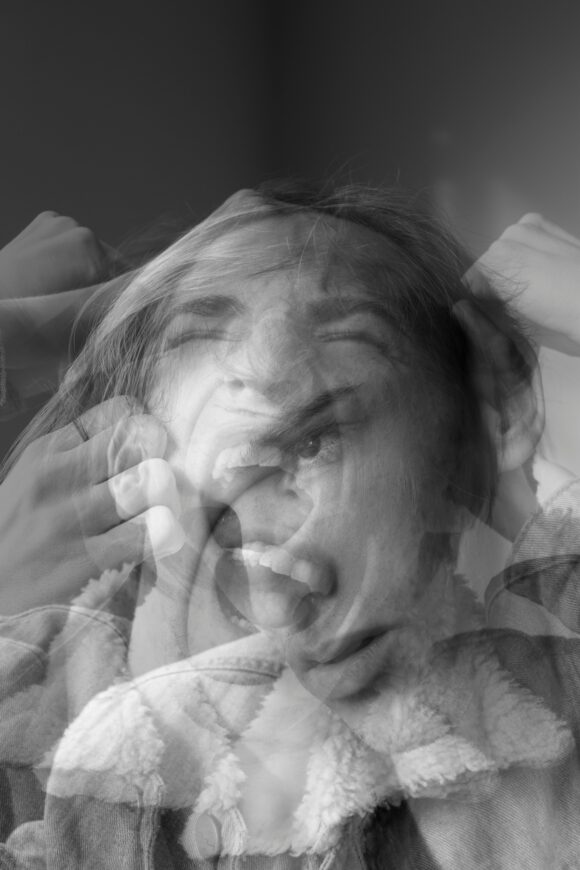
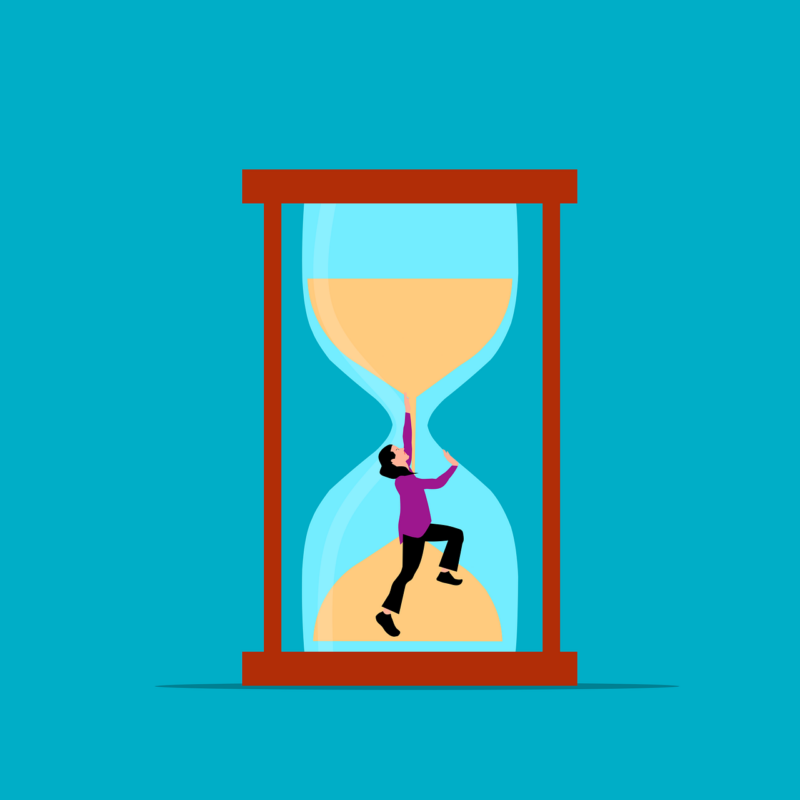
Stress is often treated as a personal weakness, a mindset problem, or an unavoidable byproduct of modern life.
But physiologically, stress is none of those things.
Chronic stress is now widely recognized as a major contributor to early mortality, a multiplier of disease severity, and a key factor in how illness develops, progresses, and lingers. It doesn’t always appear on a death certificate, but it shapes the conditions that do.
This isn’t dramatic language. It’s biological reality.
And yet, stress is still framed as something we should “push through,” manage later, or accept as the cost of being functional.
That framing comes at a price.
What Stress Actually Does to the Body
Stress is not just an emotion. It’s a whole-body physiological state.
When the nervous system remains activated for long periods, it affects:
- Cardiovascular health (blood pressure, inflammation, heart disease risk)
- Immune function (slower healing, increased susceptibility to illness)
- Metabolic processes (blood sugar regulation, weight changes)
- Digestive health (gut motility, absorption, inflammation)
- Sleep quality (which in turn affects nearly every system)
Acute stress can be useful. It helps us respond to danger.
Chronic stress is different. It keeps the body in a state of ongoing threat, even when no immediate danger exists. Over time, this state becomes exhausting — and damaging.
This is why stress is consistently associated with worse outcomes across conditions ranging from cardiovascular disease to autoimmune disorders, chronic pain, anxiety, depression, and metabolic illness.
Stress may not always cause a disease on its own — but it often creates the conditions in which disease takes hold, spreads, or becomes harder to recover from.
Stress Rarely Acts Alone
One of the most misunderstood aspects of stress is that it doesn’t need to be dramatic to be harmful.
Stress can be:
- Constant time pressure
- Financial insecurity
- Emotional suppression
- Social isolation
- Feeling trapped or powerless
- Living in a state of ongoing vigilance
Much of modern stress is low-grade and continuous, which makes it easier to ignore and harder to address.
Over time, the body adapts — not by becoming healthier, but by normalizing dysfunction. Elevated cortisol becomes baseline. Tension becomes posture. Shallow breathing becomes habitual.
This is how stress becomes invisible.
At the first broadening from individual experience to a shared human pattern, it helps to notice how inner turmoil is often mistaken for personal failure rather than a nervous system under pressure — a theme explored more deeply in why anxiety isn’t about what’s happening.
Why Stress Makes Existing Illness Worse
Stress doesn’t need to create disease from scratch to be destructive.
It:
- Increases inflammation
- Suppresses immune response
- Slows recovery
- Intensifies pain perception
- Disrupts sleep and repair cycles
This is why people often notice symptoms worsen during emotionally or psychologically difficult periods — even when the illness itself hasn’t changed.
Stress narrows the body’s capacity to heal.
And yet, many stress-reduction conversations quickly turn into privilege discussions: expensive retreats, paid programs, specialized equipment, or ideal conditions.
That framing quietly implies something dangerous:
That relief is only available to those with resources.
It isn’t.
Free, Accessible Ways to Reduce Stress — Anywhere
Stress reduction doesn’t require perfect conditions. It requires interrupting the threat response, even briefly.
Here are options available to almost anyone, anywhere — not as cures, but as openings.
1. Deep Breathing
Slow, intentional breathing directly influences the nervous system.
Even a few minutes of:
- Inhaling slowly through the nose
- Letting the exhale be slightly longer than the inhale
can signal safety to the body.
No technique needs to be mastered. Sensitivity matters more than precision.
2. Stretching — Even Lying Down or Seated
Stretching doesn’t need to be athletic.
Gentle movement:
- Lying on the floor
- Sitting in a chair
- Moving slowly and stopping before it hurts
helps release stored tension and brings attention back into the body.
3. Drinking Water
Dehydration increases physiological stress.
Something this simple still matters.
4. Walking
Walking is one of the most underappreciated nervous system regulators.
It doesn’t need to be fast.
It doesn’t need a destination.
It doesn’t need equipment.
Movement itself communicates safety and continuity to the body.
5. Reading — For Free
Libraries remain one of the most overlooked public resources.
Reading:
- Shifts attention
- Slows mental loops
- Offers perspective without stimulation overload
And it costs nothing.
6. Gentle Exercise or Yoga — Without Instruction
You don’t need a class to move.
Slow, curious movement — guided by sensation rather than performance — can restore trust with the body.
Learning happens through attention, not force.
Potential Is Not Something You Lack
One of the quieter stressors many people carry is the belief that they’re somehow behind — less capable, less adaptable, less able to change.
But potential is misunderstood.
If you already knew exactly what you were capable of, it wouldn’t be potential. It would be prediction.
Human capacity reveals itself through experience, not self-judgment. Skills are learned by engagement, not by certainty.
This matters because stress often comes from believing:
I should already be able to handle this.
But the nervous system doesn’t evolve through expectation. It evolves through exposure, rest, and responsiveness.
Stress Thrives on Self-Blame
One of the most harmful myths about stress is that it reflects personal failure.
In reality, stress often arises from:
- Prolonged responsibility without support
- Lack of control paired with high demand
- Environments that reward endurance over well-being
Seeing stress clearly doesn’t mean fixing it instantly.
It means removing the added layer of self-attack that keeps the body locked in threat.
A Quiet Truth
Reducing stress doesn’t require becoming someone else.
It begins with noticing where the body has been asked to carry more than it can reasonably hold — and responding with curiosity rather than pressure.
Even small interruptions in chronic stress matter.
Because stress doesn’t need to disappear to loosen its grip.
It only needs to be seen.
Closing Note
This reflection is part of a broader exploration into how fear, pressure, and self-expectation shape the human nervous system — and how suffering is often prolonged not by malice, but by misunderstanding.
These themes are explored more deeply in Proof That You’re God, a book about awareness, responsibility, and what becomes possible when we see stress and fear clearly instead of organizing our lives around them.
Reflection
Where in your life has stress been treated as normal — not because it’s healthy, but because it’s familiar?