
When conflict enters identity, news stops being informative and starts feeling personal.
War news travels differently than most information.
Updates about conflict do not arrive as neutral data points. They come charged with images, language, and moral gravity. Even when nothing has changed in one’s immediate life, the body reacts — tension increases, attention narrows, and the mind begins scanning for implications.
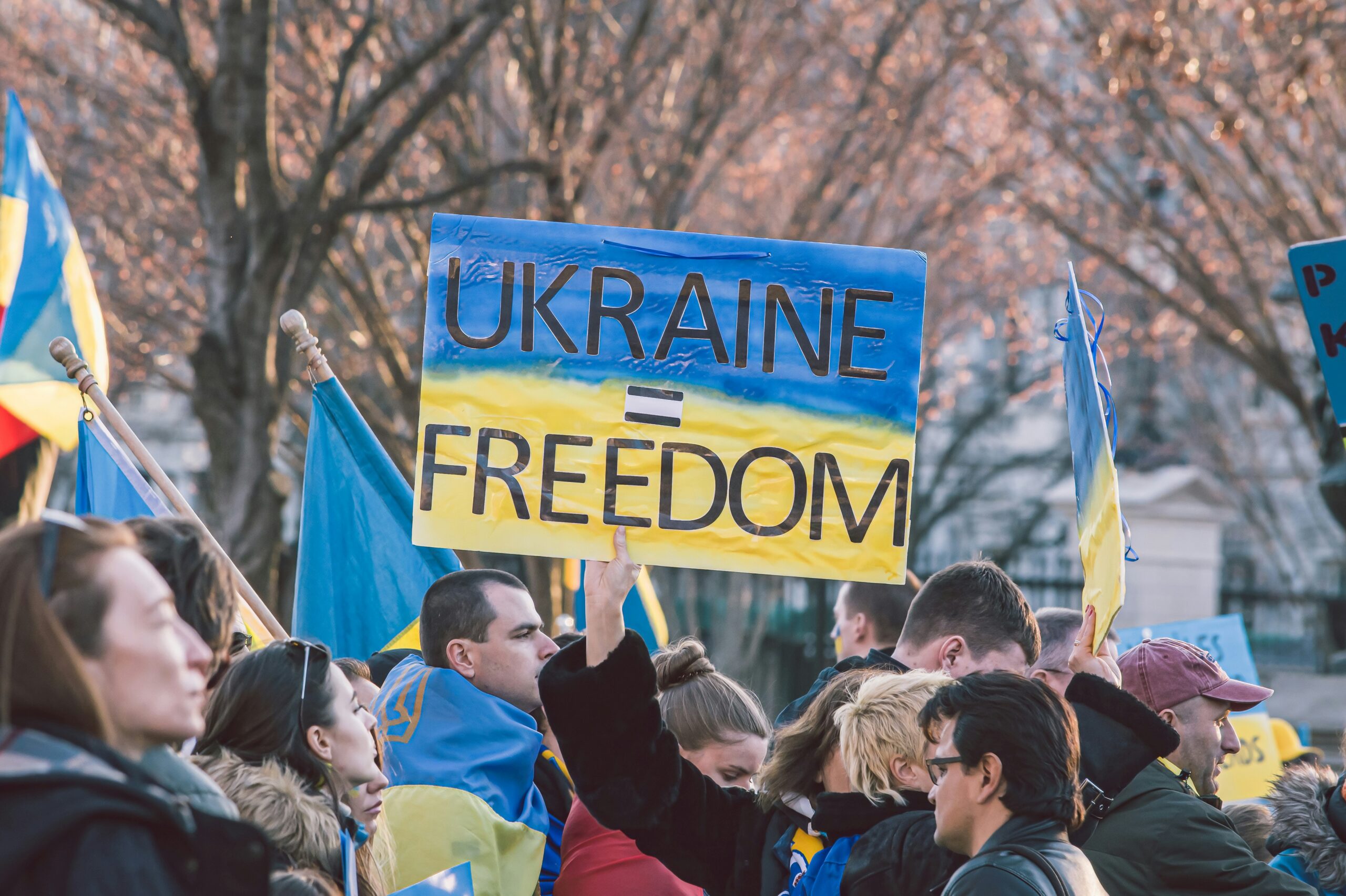
Recent coverage of the war in Ukraine has highlighted this dynamic clearly. Stories about frozen assets, drone production, and escalating geopolitical tension circulate daily. For many readers, these updates don’t simply inform. They activate.
The question worth asking is not why the news is upsetting, but why it feels personally threatening even when we are not directly involved.
When Information Becomes Identification
Information becomes anxiety-inducing when it crosses a subtle threshold: when it stops being about something and starts being about us.
From the Dualistic Unity perspective explored in Proof That You’re God, identity is not limited to personal history. It extends into beliefs, values, affiliations, and imagined futures. When conflict narratives intersect with these structures, the nervous system interprets them as relevant to self-preservation.
At that point, war updates no longer feel distant. They feel like signals.
The body does not distinguish between physical proximity and psychological implication. Threat is registered not only through danger, but through meaning.
Why the Nervous System Stays Activated
Modern news collapses distance. A conflict unfolding thousands of miles away arrives instantly, repeatedly, and without resolution. There is rarely a sense of completion — only escalation, speculation, and waiting.
For an identity oriented around stability and continuity, this creates a low-grade emergency.
The mind begins projecting forward: economic impact, political consequences, global instability. Even if these outcomes remain abstract, the system remains alert. It is preparing for a future it believes it must anticipate.
This is why war coverage can produce persistent anxiety rather than momentary concern. The tension is not released because the story never resolves.
Compassion and the Burden of Ownership
Another layer intensifies this reaction: compassion.
Many people experience distress not from fear for themselves, but from awareness of suffering elsewhere. Images of destruction, displacement, and loss evoke genuine care. This care, however, often becomes mixed with an unconscious sense of responsibility.
The identity quietly asks: What should be done? What should I feel? How much attention is enough?
When compassion becomes obligation, awareness turns into burden. The nervous system carries suffering it cannot alleviate, and anxiety emerges not from indifference, but from over-identification.
The Difference Between Awareness and Threat
There is a crucial distinction between being informed and being internally mobilized.
Awareness allows information to be received, understood, and contextualized. Threat mobilizes the system for action, defense, or vigilance. When war updates consistently trigger the latter, it suggests that identity has been recruited into the narrative.
From a non-dual perspective, the suffering here does not arise from knowledge of conflict itself. It arises from the belief that the self must hold that conflict psychologically in order to be responsible or humane.
This belief keeps the system activated long after the article is closed.
What Changes When Identity Is Seen
Noticing this does not require disengagement from the world or apathy toward suffering.
It requires clarity about what is happening internally.
When identity loosens its grip on the narrative, information can be received without becoming a personal threat. Concern remains, but it is no longer fused with vigilance. Compassion remains, but without the added weight of ownership.
The war does not become less real. The anxiety simply stops pretending it is necessary.
A More Sustainable Relationship With Global Conflict
The world will continue to experience conflict. News coverage will continue to intensify and accelerate. The question is not how to avoid this reality, but how to relate to it without internal collapse.
When awareness is freed from identity’s need to anticipate, defend, or resolve, the nervous system regains flexibility. Information becomes information again.
And in that space, responses — whether emotional, practical, or political — become clearer rather than compulsive.
If this resonates…
These themes — identity, threat, and the internalization of global conflict — are explored more deeply in
Proof That You’re God
https://www.amazon.com/dp/B0DKCMR183/
Not as a retreat from the world, but as an inquiry into how suffering forms when experience is taken personally.