
When markets rise or fall, the unease that follows often has less to do with money than with identity anchored in future security.
Financial news has become inescapable.
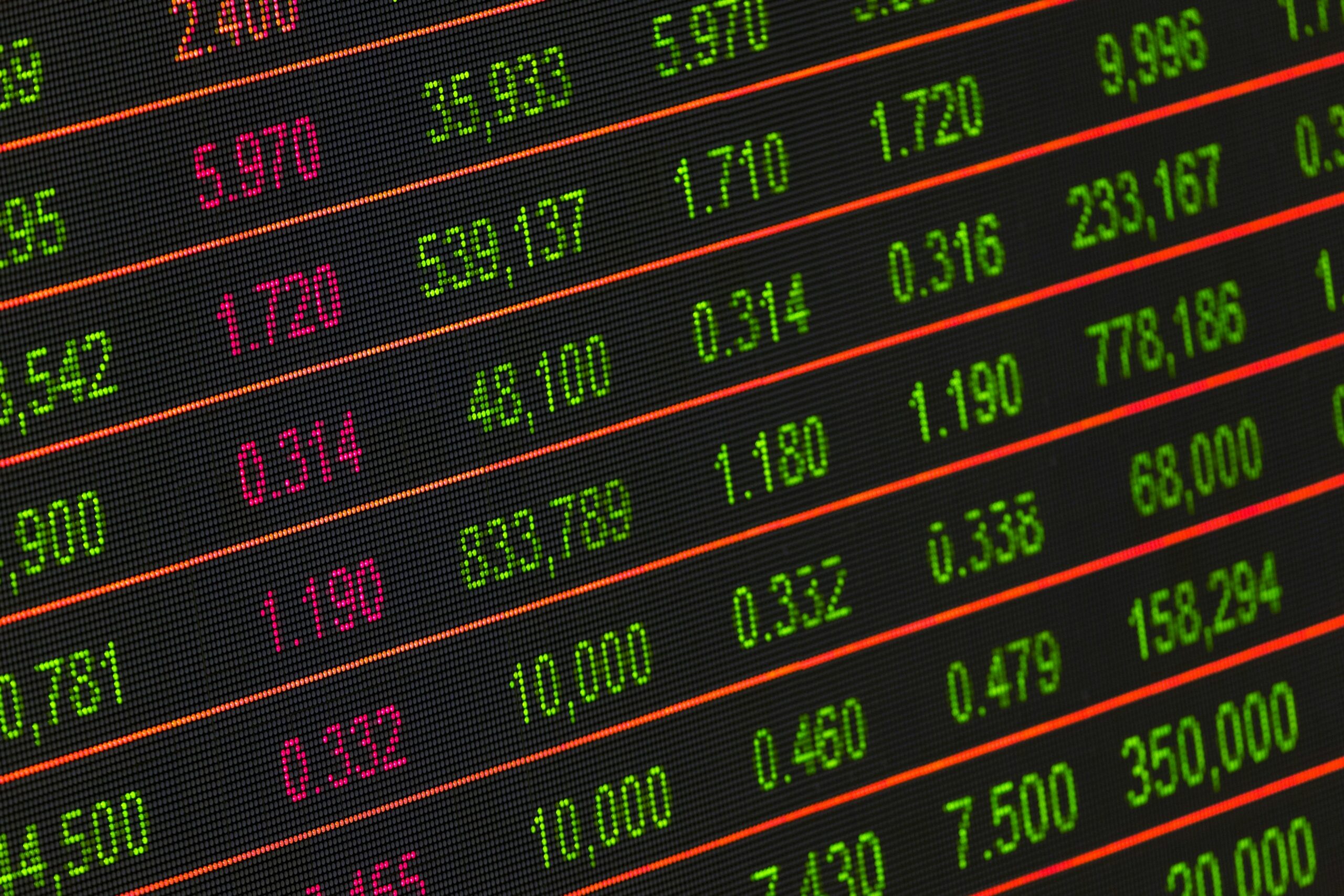
Trending stocks dominate feeds. Market movements are tracked in real time. Analysts debate momentum, sentiment, and outlook. Even people with little direct exposure to investing find themselves absorbing updates about gains, losses, and forecasts.
What’s striking is not the information itself, but the emotional effect it produces.
Rising markets rarely bring relief. Falling markets provoke more than concern. In both cases, the nervous system remains tense, alert, unresolved.
This suggests something important: the discomfort stirred by financial news is not primarily about money.
When Markets Become Meaning
Markets are often framed as indicators of collective health — economic confidence, stability, or decline. Over time, these abstractions seep into personal identity.
From the Dualistic Unity perspective explored in Proof That You’re God, identity is not confined to personality or history. It extends into symbols of safety and continuity. For many, financial systems quietly become one of those symbols.
When stocks trend upward, the mind projects reassurance into the future. When they fall, it projects threat. In both cases, attention is pulled forward, away from present experience.
What’s being monitored is not just value, but security.
Why “Good News” Doesn’t Settle the System
Even positive market news often fails to calm anxiety.
A strong rally is followed by speculation about corrections. Optimism quickly gives way to vigilance. The system remains braced because identity is oriented toward outcome, not presence.
As long as well-being is tied to what happens next — the next quarter, the next shift, the next forecast — relief is postponed by design.
The market may stabilize. The self does not.
The Illusion of Control Through Information
Financial coverage creates the impression that staying informed offers control. If one watches closely enough, understands enough, anticipates enough, uncertainty can be managed.
But this promise is illusory.
Markets are complex, reactive, and inherently unpredictable. No amount of attention can eliminate risk. When identity relies on prediction for safety, anxiety becomes chronic rather than situational.
From a non-dual perspective, the suffering here does not arise from volatility. It arises from the belief that the future must be secured in order for the present to be tolerable.
What’s Actually Being Tracked
Beneath the charts and commentary, something quieter is happening.
The system is tracking permission to relax.
When numbers move favorably, the mind briefly anticipates ease. When they don’t, it withdraws that permission. But because the future is never fully resolved, permission is rarely granted.
This is why following markets can feel compulsive. The search is not for information, but for reassurance that never quite arrives.
When Identity Is Anchored in Outcome
Attachment to financial trends mirrors attachment in other areas of life: career progress, social standing, political outcomes. In each case, identity is tethered to results.
The problem is not planning or responsibility. It is the quiet assumption that peace depends on how things turn out.
When that assumption is active, every update becomes significant. Every fluctuation feels personal. The system cannot rest because rest has been scheduled for later.
A Different Relationship With Uncertainty
Questioning this does not require disengaging from financial reality or ignoring practical considerations.
It requires noticing where identity has outsourced its sense of safety to outcomes it cannot control.
When that attachment loosens, information becomes lighter. Markets can be followed without being internalized. Decisions can be made without the added weight of self-definition.
The future remains uncertain — but uncertainty is no longer treated as a threat to who you are.
If this resonates…
These themes — identity, security, and the postponement of peace — are explored more deeply in
Proof That You’re God
https://www.amazon.com/dp/B0DKCMR183/
Not as financial advice, but as an inquiry into what remains when the need for future certainty begins to rest.