It’s not that people suddenly prefer machines. It’s that they’re exhausted by being human with each other.
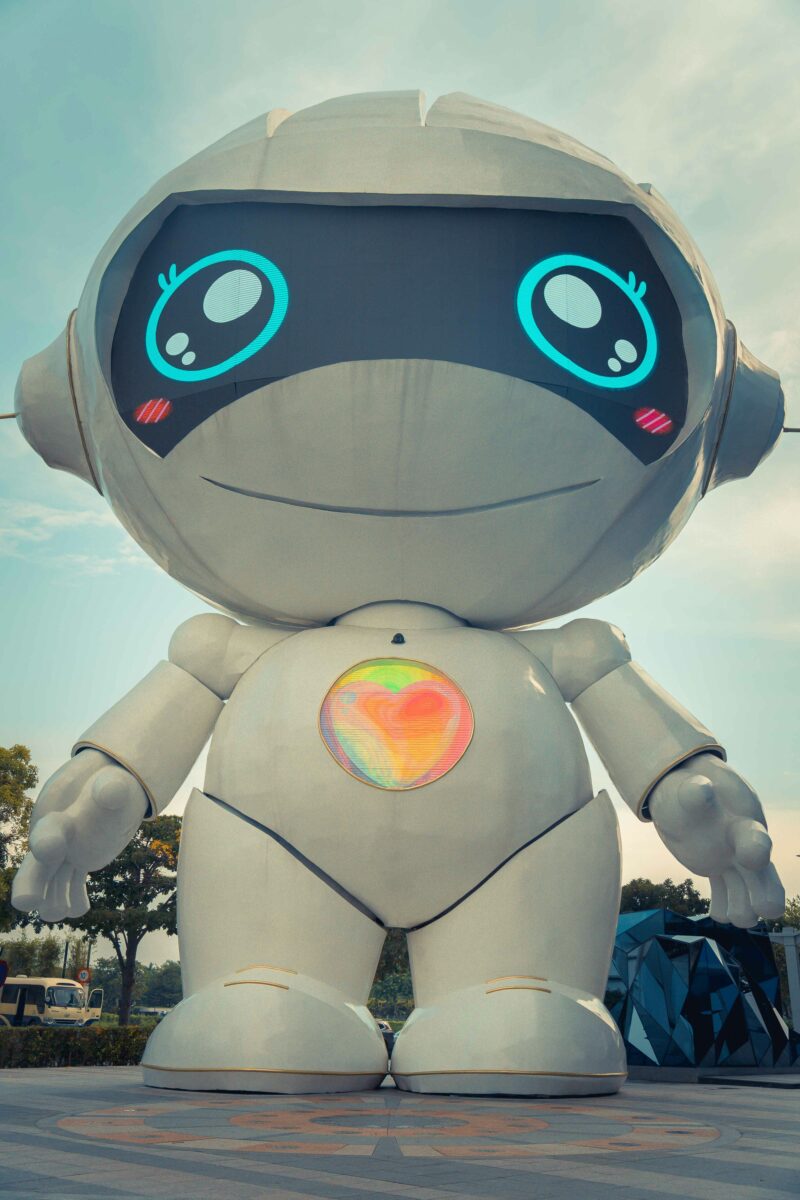
Across dating apps, forums, and headlines, a quiet trend is emerging: people forming romantic attachments to AI girlfriends and boyfriends.
At first glance, it sounds absurd—or dystopian.
But underneath it is something painfully understandable.
Dating Humans Is Messy (And That’s the Point)
Real relationships are unpredictable.
People misunderstand each other.
They bring history, moods, boundaries, fears.
They disappoint us. We disappoint them.
There’s no script.
No guarantee.
No control.
Modern dating culture, already shaped by endless choice and constant comparison, makes this messiness feel especially heavy. Vulnerability gets optimized out. Ghosting replaces honesty. Attraction becomes transactional.
So when something arrives that never rejects, never argues, never withdraws—it can feel like relief.
Why AI Feels Safer Than People
AI companions offer something seductive:
Consistency.
Availability.
Validation without risk.
They respond the way you want.
They don’t challenge your self-image.
They don’t leave.
And that’s exactly the problem.
What feels like connection is actually insulation—from uncertainty, from rejection, from having to encounter another autonomous human being.
This Isn’t About Technology. It’s About Neediness.
When we talk about neediness, we often mean clingy behavior.
But at a deeper level, neediness is the urge to be stabilized from the outside.
To have someone—or something—confirm:
“I’m okay.”
“I’m lovable.”
“I won’t be abandoned.”
AI relationships promise emotional safety without the discomfort of self-inquiry.
No friction.
No mirror.
No growth.
This distinction sits at the heart of why so many relationships feel safe yet unsatisfying—a broader pattern explored in our reflection on why relationships so often feel hard.
The Cost of Predictable Love
A relationship without risk can feel calming—but it slowly hollows us out.
Real connection requires encountering difference.
Another nervous system.
Another will.
Another way of seeing the world.
That friction is not a flaw.
It’s where intimacy forms.
Without it, we’re not relating—we’re consuming.
Why Nothing Replaces Human-to-Human Connection
Human relationships don’t exist to keep us comfortable.
They reveal us to ourselves.
They show us where we try to control.
Where we withdraw.
Where we perform instead of participate.
An AI companion can simulate affirmation.
It cannot reflect your blind spots.
It cannot surprise you.
It cannot refuse you.
And without refusal, there is no genuine choice.
What This Trend Is Really Pointing To
People aren’t choosing AI because it’s better than humans.
They’re choosing it because they’re tired of the vulnerability that real connection demands—without having learned how to meet that vulnerability with honesty and grace.
The answer isn’t moral panic.
It’s curiosity.
What have we made relationships responsible for?
What are we asking others to regulate for us?
What parts of ourselves are we avoiding by choosing predictability over presence?
A Different Way to Look at Connection
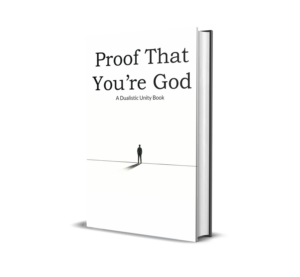
In Proof That You’re God, we explore how much suffering comes from outsourcing our sense of stability, worth, and identity—especially in relationships.
When another person is unconsciously assigned the job of completing or calming us, connection collapses into control.
AI didn’t invent that pattern.
It just made it obvious.
Closing Note
Dating humans will always be messy.
It will involve misunderstanding, disappointment, and uncertainty.
But it also offers something no simulation can:
A living encounter with someone who is not you.
And in that encounter—if we’re willing to stay present—we don’t just find connection with them.
We find ourselves.
Reflection
Where in your relationships do you seek comfort over contact?
And what might become possible if uncertainty wasn’t something to eliminate—but something to meet?