

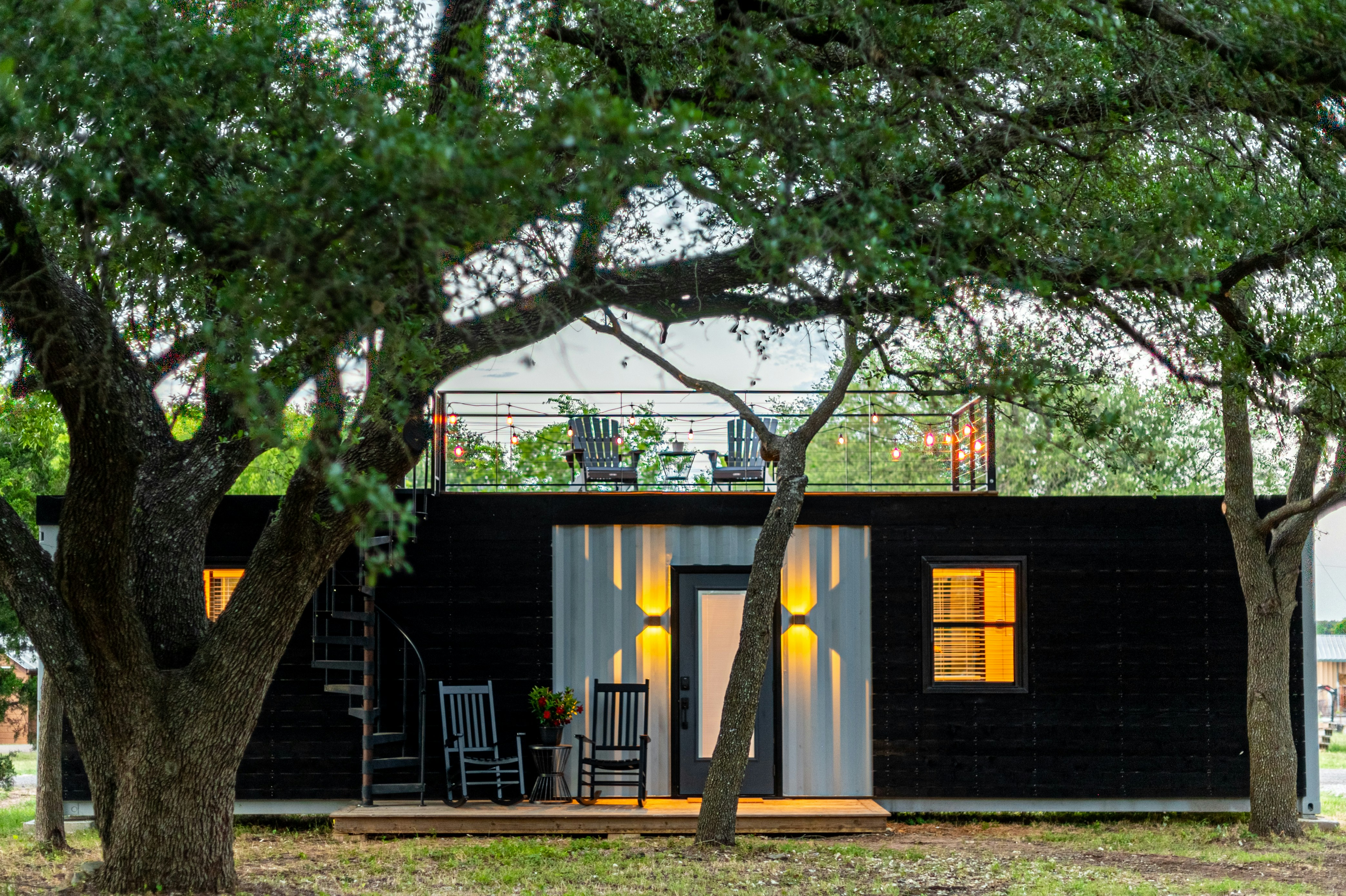
The desire for simplicity is often a desire for less identity—not fewer possessions.
A particular kind of longing has become increasingly visible.
Minimalist aesthetics circulate widely. Off-grid fantasies trend across platforms. Stories of rural relocation, digital detoxes, and “leaving it all behind” are framed as antidotes to modern overwhelm.
At first glance, these desires appear practical or environmental. Fewer possessions. Less noise. More space.
But beneath the lifestyle narratives, something else is being expressed.
When Complexity Feels Personal
Modern life is undeniably complex. Systems overlap. Information accelerates. Responsibilities fragment attention. But the exhaustion many people feel doesn’t come solely from external complexity.
It comes from internal multiplication.
From the Dualistic Unity perspective explored in Proof That You’re God, identity quietly accumulates roles, expectations, and self-descriptions. Over time, the effort required to maintain these layers becomes heavy.
Simplicity begins to feel attractive not because life is too full, but because the self is doing too much.
Why Minimalism Doesn’t Always Relieve the Pressure
Many people attempt to simplify externally first.
They declutter. Reduce commitments. Streamline routines. And sometimes, this helps — briefly.
But the relief often fades.
The same internal tension resurfaces, now attached to different objects, environments, or goals. The house is smaller, but the mind remains busy. The schedule is lighter, but the sense of being “on” persists.
This reveals an important distinction: external simplicity cannot resolve internal effort.
The Fantasy of Escape
Off-grid living and rural relocation narratives often share a common promise: that life will finally slow down somewhere else.
But what’s being escaped isn’t just infrastructure or urban density. It’s the constant internal management of identity — the need to decide who one is, how one is doing, and whether one is enough.
When that need travels with you, no location can dissolve it.
This is why many people discover that even in quieter environments, the same restlessness returns.
Simplicity as a Desire for Less Selfing
From a non-dual perspective, the longing for simplicity points toward something subtle but profound.
It isn’t primarily about possessions.
It isn’t about schedules.
It isn’t even about pace.
It’s about less selfing — less narrating, measuring, optimizing, and justifying experience.
When identity is held tightly, life feels complicated even when it’s materially sparse. When identity relaxes, life feels simpler even amid complexity.
When Life Stops Being a Project
Much of modern exhaustion comes from treating life as something to manage.
Goals must be tracked. Meaning must be curated. Fulfillment must be achieved. Even simplicity becomes another project to succeed at.
True simplicity, however, is not an achievement. It’s what remains when the effort to constantly shape experience eases.
From this view, simplicity is not something you create. It’s something that appears when the need to be someone softens.
A Simpler Relationship With Complexity
This doesn’t mean rejecting technology, society, or ambition.
It means noticing where complexity is being generated internally — by the demand to maintain coherence, progress, and identity at all times.
When that demand loosens, life naturally reorganizes. Decisions become clearer. Preferences simplify. Engagement becomes less forced.
The world may remain complex. Experience no longer needs to be.
If this resonates…
These themes — identity, effort, and the quiet desire for less — are explored more deeply in
Proof That You’re God
https://www.amazon.com/dp/B0DKCMR183/
Not as a lifestyle philosophy, but as an inquiry into what remains when self-construction relaxes.
Open Reflection
What if the longing for a simpler life isn’t asking you to change your environment — but to loosen the identity that’s working so hard within it?