
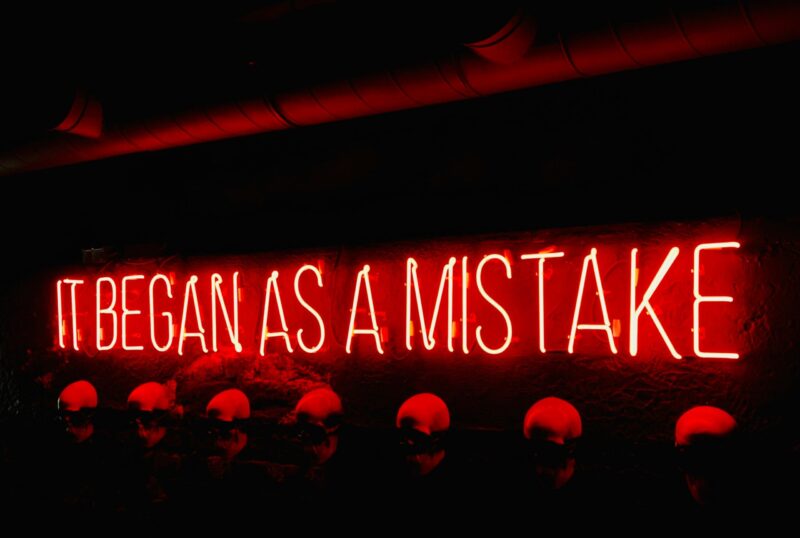
We spend so much time thinking about life that we often forget to experience it.
Have you ever reached the end of a week and wondered where it went? Or looked back at an entire year and realized you remember only a handful of moments clearly?
Life has a strange way of slipping past us. Not because we’re careless. Not because we don’t value it. But because the mind is almost always occupied with something other than the experience that’s actually unfolding.
We’re planning. Remembering. Judging. Comparing. Regretting. Anticipating. Meanwhile, life quietly continues happening. The deeper question isn’t why time seems to move so quickly.
It’s why our attention is so often somewhere else.
The Mind Lives in Stories
One of the mind’s greatest strengths is its ability to build stories. Stories help us remember the past, imagine the future, solve problems, and create meaning. Without them, much of human civilization wouldn’t exist.
The difficulty begins when the story becomes more compelling than the experience itself.
Imagine sitting across from someone you love while silently replaying yesterday’s argument or worrying about tomorrow’s responsibilities. Physically you’re present, but psychologically you’re somewhere else.
The conversation still happens. The laughter still happens. The subtle expressions on their face still happen. Yet very little of it is actually received.
Life isn’t only what happens.
It’s what we notice while it’s happening.
We Learn by Living, Not by Knowing
Many of us grow up believing that mistakes are evidence of failure. A mistake becomes something embarrassing.
Something to hide. Something to defend. Something that threatens our identity. Yet nearly everything we know has been learned through trial and error.
No one learns to walk without falling. No one learns to communicate without saying the wrong thing. No one learns to love without misunderstanding another person. No one becomes wise without first being naive.
Experience is education. Mistakes are not interruptions to learning. They are often the process itself.
Why We Judge Ourselves So Harshly
Consider how quickly the mind turns experience into identity. Instead of saying, “I acted selfishly,” we quietly conclude, “I’m selfish.” Instead of recognizing, “I wasn’t paying attention,” we decide, “I’m a terrible person.”
Notice the difference. One describes behavior. The other describes identity.
Behavior can change. Identity feels permanent.
When mistakes become personal definitions, curiosity disappears. Instead of asking, “What can I learn?” we begin asking, “What’s wrong with me?” That question rarely produces understanding.
It usually produces shame.
We Judge Others for the Same Reason
The same pattern appears in our relationships. Someone interrupts us. Someone forgets an important date. Someone says something insensitive. Someone behaves selfishly.
Instead of wondering what they haven’t yet seen, we often assume we’ve discovered who they truly are.
“They’re inconsiderate.”
“They’re selfish.”
“They’ll never change.”
It’s easy to assume people are fixed because we usually meet them in a single chapter of their lives. We rarely see the countless moments that shaped them before we arrived. We also don’t see the lessons they have yet to learn. The person standing in front of you today is not the finished version of themselves.
Neither are you.
Every One of Us Has Been Inconsiderate
This realization can be uncomfortable. Every person has been selfish. Every person has overlooked someone else’s feelings. Every person has misunderstood another human being. Every person has acted from fear instead of love. Acknowledging this isn’t an act of self-condemnation.
It’s an act of honesty.
Growth doesn’t begin when we convince ourselves we’re already compassionate. It begins when we’re willing to recognize the moments we weren’t. The irony is that accepting our imperfections often makes us more compassionate toward the imperfections of others.
Awareness Begins with Ownership
There is an important difference between guilt and responsibility. Guilt often keeps us trapped in the past. Responsibility allows us to participate in the present. When we acknowledge that we made a mistake, we’re no longer trying to protect an image of ourselves.
We’re simply responding to reality.
“I hurt someone.”
“I wasn’t listening.”
“I acted defensively.”
“I cared more about being right than understanding.”
These admissions can feel vulnerable. They can also become the beginning of profound change. Growth rarely begins with perfection.
It begins with honesty.
Paying Attention Changes Everything
Another way of looking at this is to notice that awareness itself transforms behavior. The first time you recognize a pattern, you may still repeat it. The second time, you notice it sooner. Eventually, you catch yourself while it’s happening.
Over time, the gap between unconscious reaction and conscious response becomes smaller. This isn’t because you’ve become flawless. It’s because you’ve become more attentive.
Attention doesn’t erase mistakes. It changes your relationship with them.
Life Doesn’t Ask You to Be Perfect
Many people imagine personal growth as becoming someone who no longer struggles. Someone who never loses patience.
Never acts selfishly.
Never forgets.
Never fails.
Life doesn’t seem interested in creating people like that. It appears far more interested in creating people who are willing to learn. People who apologize. People who change. People who remain curious instead of defensive. People who care more about understanding than appearing perfect.
Those qualities don’t emerge despite mistakes.
They emerge because of them.
The Life You’re Looking For Is Already Happening
It’s easy to believe that one day you’ll finally become the person who pays attention to life. The person who’s always present.
Always kind.
Always aware.
Life doesn’t unfold that way. Awareness isn’t a permanent achievement. It’s a continual invitation. Every conversation offers another opportunity to listen more carefully. Every disagreement offers another opportunity to understand before defending. Every mistake offers another opportunity to become a little more honest than yesterday. The beautiful thing about attention is that it doesn’t ask where you’ve been.
It only asks whether you’re here now.
Continue the Exploration
If this article resonated with you, our companion Patreon essay, “The Courage to Be Wrong,” explores why defending our identity often prevents genuine growth, why admitting our mistakes can feel so threatening, and how learning to be wrong may be one of the deepest expressions of awareness.
You can also continue this exploration with Proof That You’re God. The book examines how identity, awareness, and the stories we tell about ourselves shape every aspect of our lives, revealing why genuine transformation doesn’t begin with becoming someone new—it begins with seeing clearly who we’ve been all along.