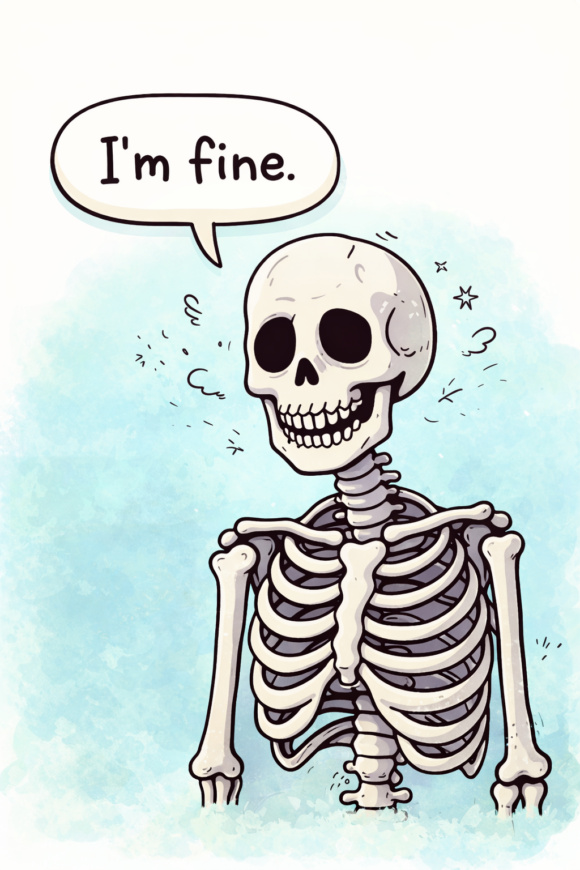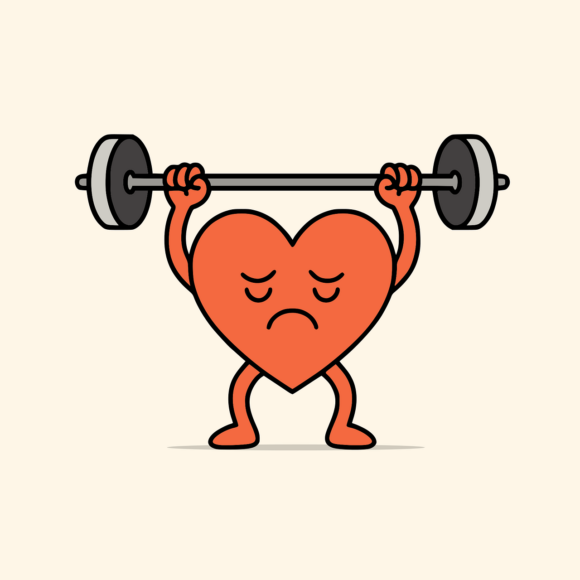

There’s a quiet assumption built into much of modern self-help, therapy, and personal development: that the goal of emotional work is to feel better.
More regulated.
More positive.
More functional.
At first glance, that seems reasonable. Pain is uncomfortable. Anxiety is exhausting. Grief disrupts momentum. Of course we’d want relief.
But somewhere along the way, something subtle happened.
Feeling better became a substitute for actually growing.
And that shift—small as it may sound—changes everything.
The Pressure to Improve Our Inner Experience
Most people don’t consciously decide to avoid their emotions. They learn to do it by being rewarded for the right kind of inner posture.
Calm is praised.
Positivity is encouraged.
Resilience is admired.
Meanwhile, emotions that don’t resolve quickly—sadness, anger, fear, despair—are treated as obstacles to progress. Things to manage, reframe, or move through efficiently so life can continue.
Even in spaces dedicated to growth, there’s often an unspoken expectation:
You can feel whatever you feel… as long as it doesn’t slow you down.
Over time, this creates pressure. Not to deny emotions outright, but to optimize them. To process them quickly. To turn them into insight. To arrive somewhere better.
The result often looks like progress.
But it isn’t always growth.
When “Better” Replaces Change
The problem with making “feeling better” the goal isn’t that it’s wrong. It’s that it quietly shifts the measure of growth from transformation to relief.
Questions change from:
- What is this asking of me?
to - How do I get out of this state?
From:
- What needs to change in how I’m living?
to - How do I feel okay again as quickly as possible?
This is where real change often stalls.
Emotions stop being signals that point toward adjustment.
They become inconveniences to manage so life can continue unchanged.
Regulation Isn’t the Same as Growth
Much of this confusion hides behind helpful-sounding language.
“Regulate your nervous system.”
“Shift your state.”
“Ground yourself.”
“Reframe the experience.”
These tools can be useful. But when the primary aim is to return to baseline—to get back to feeling fine—they can become ways of avoiding the very disruption that growth requires.
There’s a difference between:
- calming enough to see clearly
and - calming in order to avoid seeing at all
One supports change.
The other preserves the status quo.
Why Life Doesn’t Change When Emotions Are Managed
Emotions aren’t just reactions. They’re responses to how life is being lived.
Chronic anxiety often points to misalignment.
Persistent sadness often points to loss that hasn’t been integrated.
Anger often points to boundaries that aren’t being honored.
When emotions are managed without being listened to, the message gets lost.
This is why many people feel like they’ve been “working on themselves” for years without much changing. The work focused on how they felt, not on what their life was asking to be different.
The Cost of Always Being Okay
Over time, a subtle pattern sets in.
You learn which emotions are allowed to slow you down—and which ones aren’t.
Which feelings signal growth—and which ones feel like regression.
Eventually, you don’t need external pressure. You internalize it.
Discomfort becomes something to fix rather than something to learn from. And growth quietly gets redefined as emotional smoothness.
Life doesn’t actually change.
It just feels more manageable.
When Growth Looks Like Disruption
Real growth often doesn’t feel better at first.
It feels:
- destabilizing
- inconvenient
- uncertain
- exposing
This is why it’s so easy to confuse relief with progress. Relief feels like movement. Growth often feels like standing still in the middle of something unresolved.
As explored in Why Clarity Often Feels Harder the More We Understand, what falls away first is often the structure that made life feel manageable—even if it wasn’t actually working.
Before life changes, comfort often does.
Letting Emotions Do Their Job
When emotions are allowed to be felt without being optimized, something important happens.
They stop demanding constant attention.
They stop looping.
They complete.
Not because they were fixed—but because they were allowed to inform change.
This is the difference between:
- feeling better
and - becoming different
One restores comfort.
The other alters direction.
A More Subtle Definition of Growth
Growth isn’t about staying regulated.
It’s about becoming responsive.
It’s not about maintaining a positive state.
It’s about letting experience change how you live.
Sometimes that means rest.
Sometimes it means grief.
Sometimes it means ending something that still feels familiar.
None of that feels like “feeling better” in the moment.
But it changes your life.
Closing Reflection
Feeling better can be useful.
But it isn’t the same as growing.
Growth often begins where comfort ends.
And emotions don’t exist to be managed away—they exist to guide change.
When relief stops being the goal, something deeper becomes possible.
Not just feeling better.
But living differently.
If this exploration resonates, these themes are examined more deeply—through lived experience rather than technique—in Proof That You’re God. Not as a method for feeling better, but as an inquiry into what actually changes when emotions are allowed to do their work.