
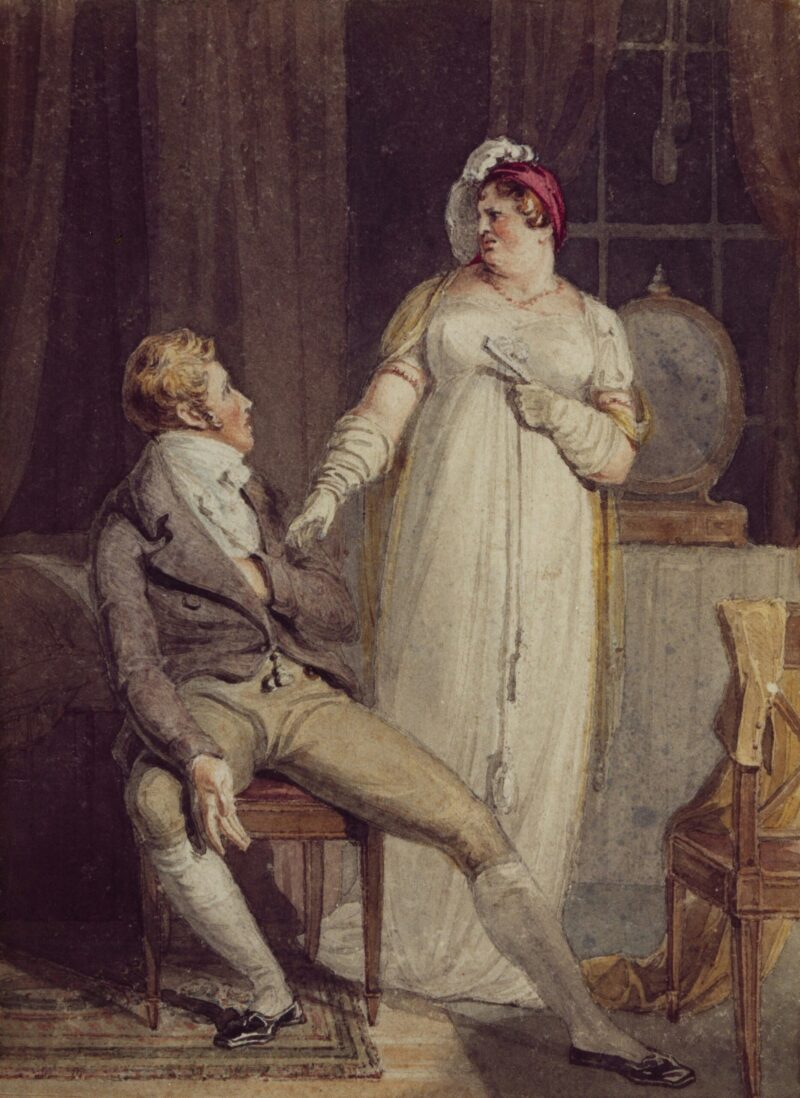
What if being offended isn’t just about what someone said—but about what their words seem to say about you?
Why do I get offended? It’s a question most of us ask after an argument, a difficult conversation, or a comment that lingers in our minds long after it was spoken. Everyone gets offended sometimes, yet the experience can feel surprisingly personal. A passing remark from a stranger may stay with us for days, while criticism from someone we love can leave us questioning ourselves in ways we never expected.
Because the emotional reaction happens so quickly, it’s easy to conclude that the other person’s words caused it. They said something offensive, so naturally we became offended.
Yet everyday experience suggests something more complicated is happening.
The same comment that deeply hurts one person may barely affect someone else. A joke that one group finds hilarious may feel deeply insulting to another. Even our own reactions change over time. Something that once would have upset us may not bother us years later.
If the words remain the same but the experience changes, it raises an interesting question.
What else is contributing to the feeling of being offended?
Words Matter, But So Does Interpretation
Language has enormous influence over our lives. Words can encourage us, inspire us, comfort us, or cause genuine pain. At the same time, words don’t arrive carrying a fixed emotional experience. The meaning they have depends, in part, on the person hearing them.
Notice what happens when someone offers criticism.
If it comes from someone you admire and trust, you may carefully consider their perspective. If the exact same criticism comes from someone you don’t respect, you’re far more likely to dismiss it. The words haven’t changed. Your relationship to them has.
This doesn’t mean offense is imaginary.
It means that our experience is shaped by more than language alone.
Our memories, expectations, beliefs, and assumptions all play a role in how we interpret what’s being said. The more personally we relate to those interpretations, the more emotionally powerful they often become.
Why Do Certain Comments Offend Me?
Not every criticism feels equally personal.
Someone may disagree with your favorite movie, and you hardly notice. Yet a comment about your intelligence, parenting, career, appearance, or values can feel surprisingly significant.
The difference often lies in how closely those subjects are connected to your sense of self.
The more important something feels to your identity, the easier it becomes for criticism to feel personal. Instead of hearing a disagreement about an idea or decision, the mind quietly interprets it as a judgment about who we are.
That shift happens so quickly that we rarely notice it.
Instead, we simply experience the emotional reaction.
The Need to Be Understood
Another way of looking at offense is recognizing that many of us don’t simply want people to hear us.
We want them to understand us.
When someone misunderstands our intentions, dismisses our experiences, or interprets our actions in ways that don’t match how we see ourselves, frustration naturally follows. We feel as though something important about us has been overlooked.
This desire to be understood is deeply human.
Relationships depend upon communication, and being seen accurately helps us feel connected to others. The difficulty begins when we believe our sense of self depends upon everyone else seeing us the way we hope to be seen.
At that point, disagreement becomes much heavier than it needs to be.
Being Offended Doesn’t Mean You’re Weak
Many people judge themselves for becoming offended.
They tell themselves they should have thicker skin, be less sensitive, or simply ignore what other people think. While resilience is certainly valuable, criticizing yourself for having an emotional reaction often creates a second layer of suffering.
Emotions arise before we consciously choose how to respond to them. Feeling offended doesn’t mean you’re weak, immature, or incapable of handling disagreement. More often, it simply means that something important to you has been touched.
The opportunity isn’t to eliminate the emotion.
The opportunity is to become curious about it.
Every emotional reaction contains information. Sometimes it points toward an insecurity you’ve been carrying for years. Sometimes it reveals an expectation you didn’t realize you had. Other times it confirms that someone has genuinely crossed an important boundary.
Awareness allows you to distinguish between those possibilities instead of reacting to all of them in the same way.
Curiosity Creates Space
When we’re offended, our first instinct is often to defend ourselves.
We explain.
We justify.
We argue.
Occasionally those responses are appropriate, especially when someone is acting disrespectfully or causing genuine harm.
But not every situation requires an immediate defense.
Consider asking a different question before reacting.
“What about this feels so personal?”
That question doesn’t dismiss your emotions.
It simply creates enough space to understand them.
Sometimes you’ll discover the criticism was unfair.
Other times you’ll notice it touched an insecurity, an expectation, or a belief you hadn’t realized you were carrying.
Either way, curiosity reveals far more than defensiveness ever could.
Offense Doesn’t Have to Control You
Being offended isn’t a sign that you’ve failed or that something is wrong with you.
It’s part of being human.
The goal isn’t to become someone who never reacts emotionally. It’s to become someone who understands those reactions well enough to choose how to respond instead of simply being carried by them.
If you’ve ever found yourself asking, “Why do I get offended so easily?”, it may help to shift your attention away from the other person’s words and toward your own relationship with them. Offense often reveals assumptions, expectations, and beliefs that remain invisible until they’re challenged. Understanding those patterns doesn’t eliminate difficult emotions, but it does create the freedom to respond with greater clarity instead of reacting automatically.
Over time, the more awareness we bring to moments of offense, the more freedom we discover. We become less reactive, more thoughtful, and more capable of responding with clarity rather than impulse. That doesn’t mean we’ll never feel hurt again. It simply means hurt no longer has to decide what happens next.
Continue the Exploration
Getting offended is often about much more than another person’s words. In our Patreon-exclusive article, Why Do I Get Offended?, we explore why certain comments feel so personal, how identity shapes emotional reactions, and why the mind instinctively becomes defensive when its sense of self feels threatened. If you’ve ever found yourself replaying conversations or wondering why some criticisms linger long after they’re spoken, the deeper exploration uncovers what’s happening beneath the surface.