
Families don’t just remember us—they preserve old versions of us. This article explores the subtle exhaustion of being seen as who you were rather than who you are, and what it means to outgrow a family narrative without rejecting the people in it.

Families don’t just remember us—they preserve old versions of us. This article explores the subtle exhaustion of being seen as who you were rather than who you are, and what it means to outgrow a family narrative without rejecting the people in it.
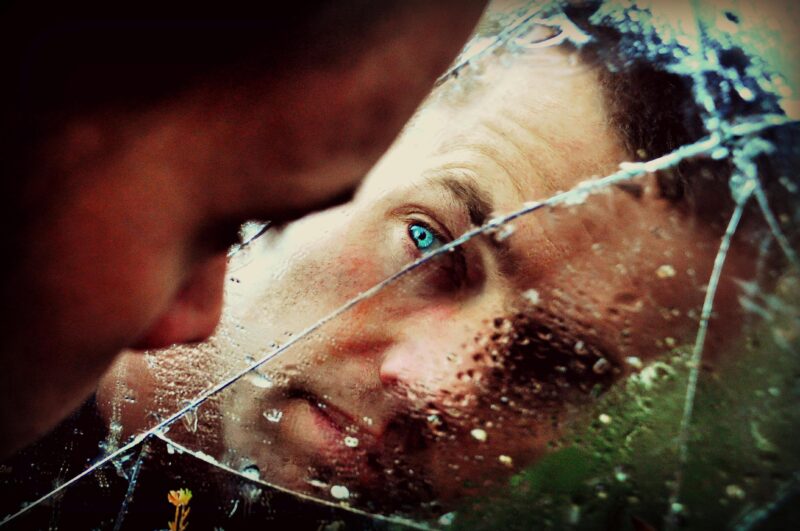
Relationships don’t become difficult because love disappears. They become heavy when we expect them to fix what we haven’t questioned within ourselves. This reflection explores how unspoken expectations quietly turn connection into pressure.

Video games don’t teach through advice—they teach through experience. These three new games create environments that quietly reveal lessons about control, identity, and awareness, mirroring the same insights explored throughout Dualistic Unity.

Real change doesn’t start because the year changed. It starts when staying the same becomes heavier than letting go. This reflection explores the difference between wanting change and actually living it.

The day after Christmas often feels heavier than the day before—not because something went wrong, but because anticipation ended. When expectation dissolves, emotional energy settles, revealing what we were quietly leaning on all along.

Resentment rarely comes from one big event. It builds through unmet expectations, unspoken complaints, and interpretations we never question. Over time, those moments pile up—quietly reshaping how we see people, relationships, and the world itself.
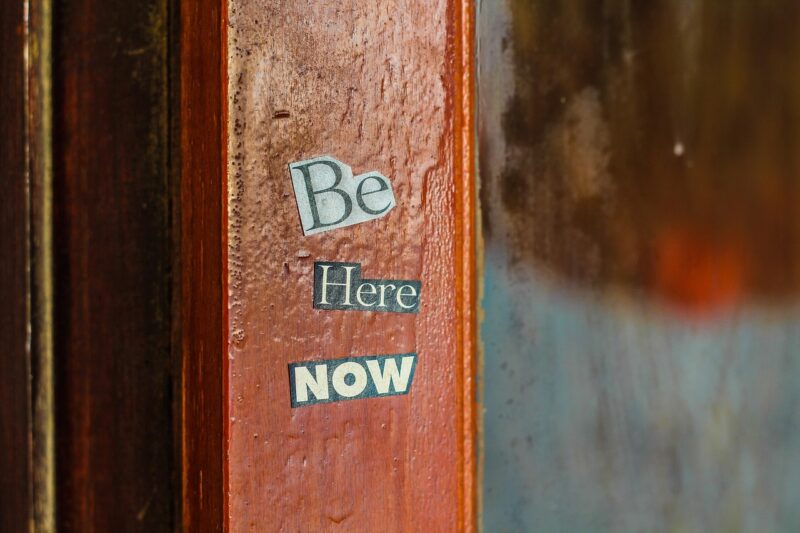
We often think presence is something we need to achieve. But the desire to be present can quietly become the very thing that keeps us from what’s already here.

Most people don’t realize when life shifts from something they’re living into something they’re waiting to get through—until the waiting becomes familiar.

Video games aren’t just entertainment. They are structured experiences of agency, challenge, and meaning that reveal what play offers when everyday life feels constrained.

Relationships often hurt not because someone is doing something wrong, but because unseen expectations and roles collide with lived experience.