

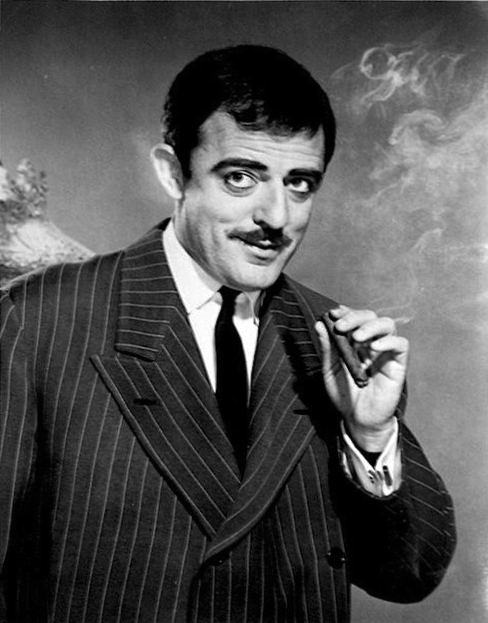
A tribute to the actor who made joy look effortless—from Gomez Addams to Buddy Ryan and beyond.
Why John Astin Still Matters
John Astin is one of those rare performers whose influence can’t be measured by awards, headlines, or career “peaks.” His legacy is felt in something subtler: the emotional atmosphere he created on screen.
He brought a kind of ease to comedy that made it feel less like performance and more like presence. He could play wildly eccentric characters without contempt, romantic intensity without insecurity, and neurotic chaos without cruelty. In an industry that often rewards sharpness, Astin’s comedy was frequently warm, and his charisma came from a kind of unforced sincerity.
If Gomez Addams made him iconic, the rest of his career revealed that Gomez wasn’t a fluke. Astin’s work was consistently animated by the same quality: a human steadiness underneath the character.
Early Life and a Mind Built for More Than Acting
Before he became synonymous with one of television’s most beloved characters, Astin’s path wasn’t a straight line of fame-chasing. He attended Johns Hopkins University (graduating in the early 1950s) and later returned there as a deeply respected professor and program leader.
That academic grounding matters because it helps explain what audiences often sensed intuitively: Astin’s work had structure, control, and intelligence—but it never felt stiff. Even his broadest comedic moments landed like something precise rather than desperate.
Years later, in an interview about teaching and craft, he emphasized the learnability of acting and the value of the discipline—speaking not like a celebrity, but like a teacher who actually enjoys the work of helping others grow. The Johns Hopkins News-Letter
West Side Story and the Long Road to “Iconic”
Astin appeared early in his screen career with a role in West Side Story (1961)—part of a period where he was steadily building range and screen credibility long before the Addams mansion ever appeared.
This matters because it’s easy to think of Astin as “the Gomez guy.” In reality, he was already a working actor with momentum, craft, and versatility when the role that would define an era arrived.
Gomez Addams: Romance, Comedy, and Unapologetic Joy
Astin’s Gomez Addams (1964–1966) wasn’t just a comedic triumph. He offered something culturally rare: a male character who was passionately romantic without being possessive, playful without being childish, and flamboyant without apology.
Gomez didn’t posture. He didn’t “perform masculinity.” He simply lived affection.
Astin’s genius here wasn’t the mustache or the accent or the comedic flair. It was his total commitment to joy. He played Gomez as though love was not a strategy but a natural expression of being alive.
And because he never undercut the character with irony, the performance aged unusually well.
Astin later reflected on how he even came to the project: he’d been a fan of Charles Addams’ work and chose the TV project among multiple options offered to him—one decision that shaped decades of cultural memory. People.com
Beyond Gomez: The Roles That Proved His Range
A tribute to John Astin shouldn’t stop at the Addams gate. His career is a long arc of characters that show how deeply versatile he really was.
Buddy Ryan on Night Court: Comedy Without Cruelty
For many fans, his role as Buddy Ryan—Harry Stone’s father figure (and described in episode guides as a father/stepfather depending on season continuity)—is one of Astin’s most quietly impressive performances.
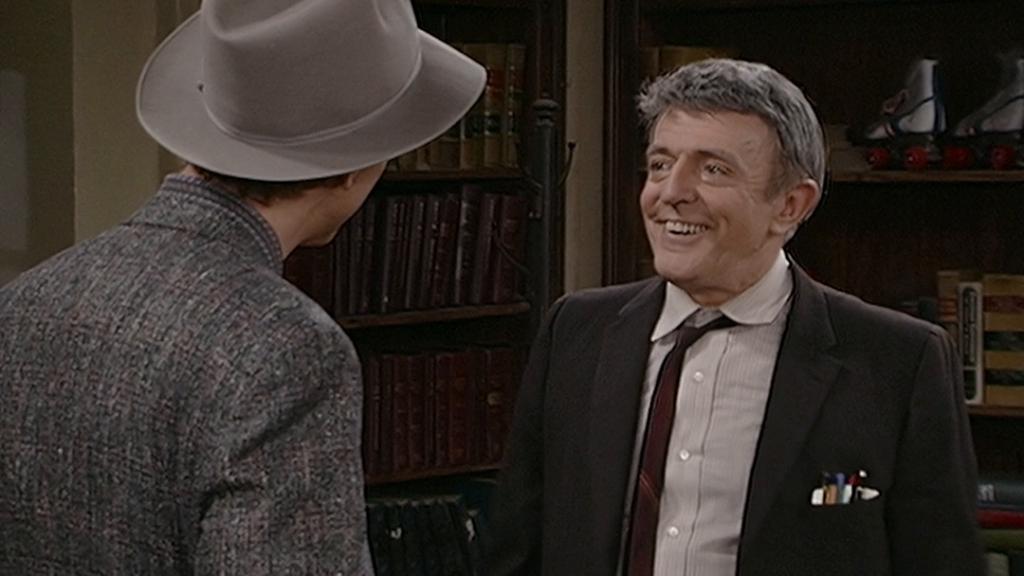
Buddy Ryan appears across multiple episodes from the mid-to-late run of Night Court, and what Astin brought to the character was signature: a kind of comedic humanity that never relied on humiliation.
Buddy could be absurd, difficult, or emotionally tangled—but Astin didn’t play him as a punchline. He played him as a person. That’s why the character remains memorable: the humor wasn’t sharp-edged. It was oddly tender.
The Riddler on Batman
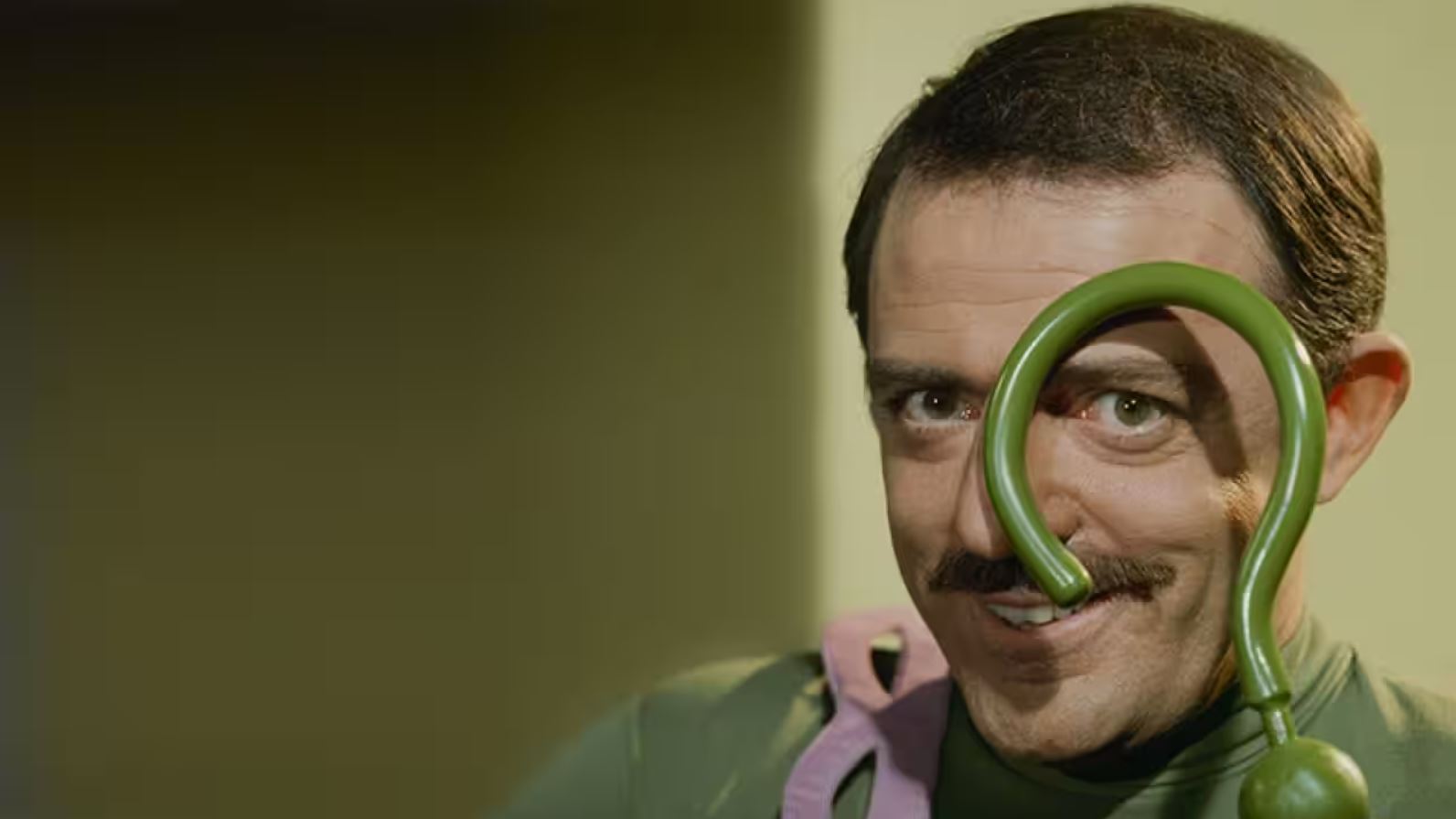
Astin also stepped into one of television’s most recognizable villain roles as The Riddler during Batman’s classic era—proving he could embody theatrical eccentricity in a completely different register than Gomez.
Operation Petticoat and Other TV Staples
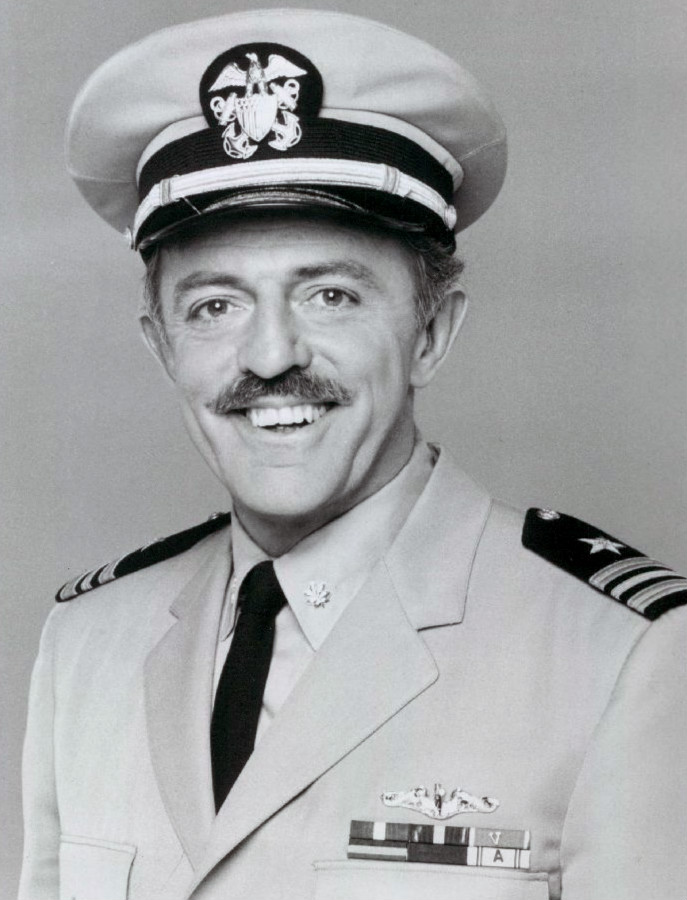
He led a long-running TV career that included starring roles such as Operation Petticoat (as Lt. Cmdr. Matthew Sherman), plus recurring and guest appearances across multiple major series.
Film Work and Later Career Highlights
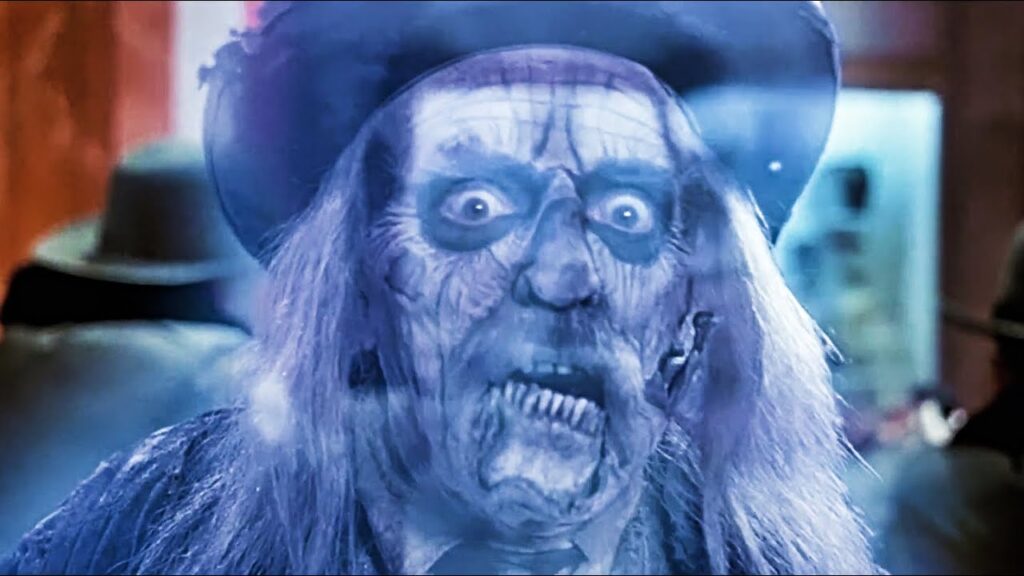
He appeared in film roles spanning decades, including The Frighteners (1996), and continued working in acting and voice roles well into later life.
Voice Work: The Same Presence, Without the Face
Astin’s voice work is another part of his legacy that doesn’t get enough attention. He voiced Gomez Addams again in animated form, extending the character into another generation and medium.
This is a quiet but meaningful point: some actors lose their magic when the physicality changes. Astin didn’t. The presence carried through the voice.
“Professor Astin”: Teaching as Legacy
John Astin’s influence isn’t only in what he performed, but in what he transmitted.
At Johns Hopkins, he wasn’t a decorative celebrity on faculty. He was deeply embedded in teaching and program leadership, and he spoke about acting as something learnable—something disciplined—something human.
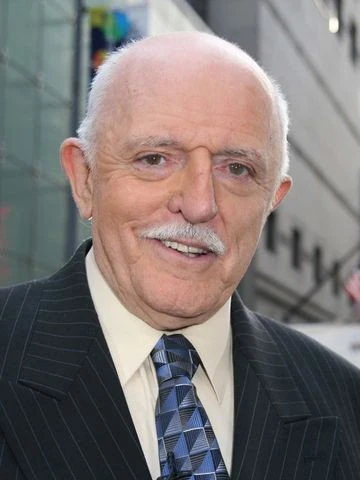
In an era where so much creative identity is packaged as “talent” or “genius,” Astin’s orientation was refreshingly grounded: craft matters. Practice matters. Showing up matters.
This aligns with what many of his performances implicitly taught: not how to “be special,” but how to be present.
Fatherhood and Adoption: John Astin and Sean Astin
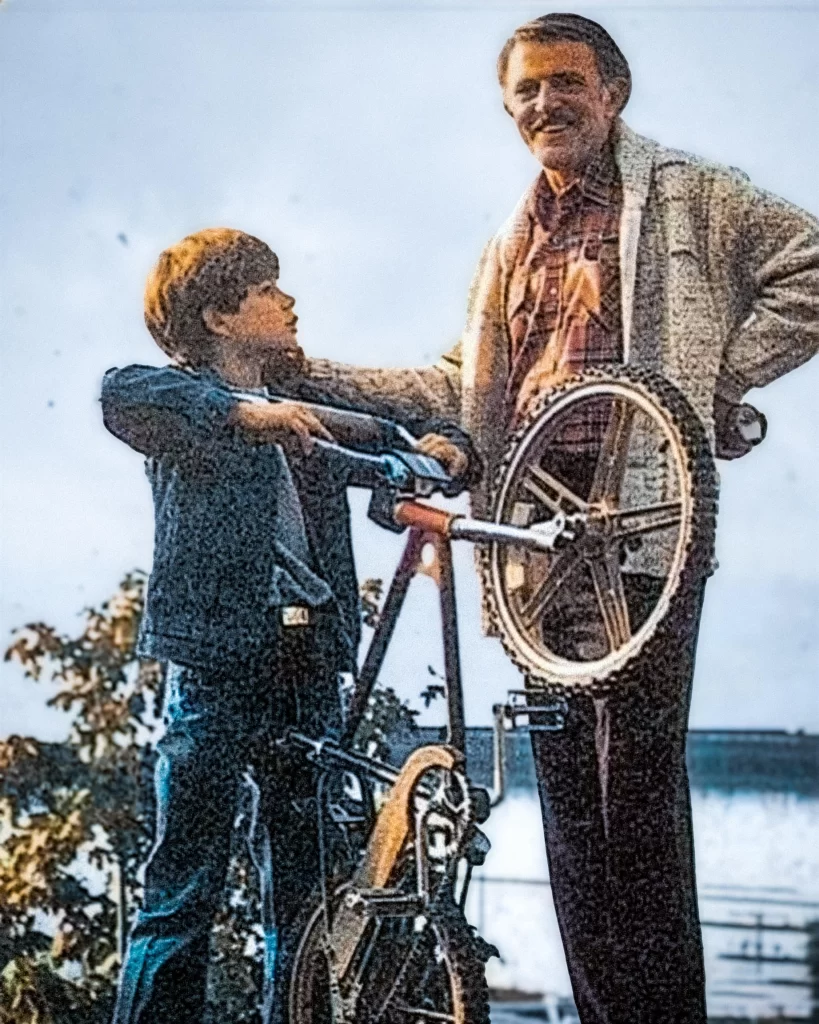
Many people learn later that John Astin is the adoptive father of Sean Astin—and that fact tends to land with unexpected emotional weight because it fits what people already sensed about him: steadiness, warmth, devotion without performance.
Sean Astin has consistently spoken of John Astin as his father—because he raised him, shaped him, and was present. Sean was adopted by John Astin in the early 1970s.
This isn’t “celebrity trivia.” It’s part of the legacy: John Astin’s public warmth appears to have been matched by private responsibility.
The Through-Line: Ease That Isn’t Laziness
It’s tempting to reduce Astin’s vibe to “charm.” But charm is often a strategy. What people recognized in John Astin felt less like a tactic and more like a state.
From the Dualistic Unity lens, this is the difference between performing a self and living from presence.
Astin’s characters varied wildly—Gomez’s exuberant romance, Buddy Ryan’s messy humanity, villainous theatricality, academic steadiness—but the core quality stayed consistent: he didn’t seem to be fighting himself while he worked.
That’s why audiences remember him as “comfortable.”
That’s why his humor feels clean instead of sharp.
That’s why his roles still feel good to watch.
He made joy look safe.
“My work is to reach people with ideas, hopes, dreams, encouragement, insight, and revelation. That’s what an actor wants to do.”
John Astin’s Legacy in One Sentence
John Astin’s legacy is not that he played Gomez Addams.
It’s that he showed what happens when a human being becomes compelling via ease and being.
If this resonates…
This inquiry—how identity relaxes, how presence becomes available, how performance falls away—is explored more deeply in Proof That You’re God:
https://www.amazon.com/dp/B0DKCMR183/
Open Reflection
What would change if the goal wasn’t to become impressive—but to become at ease?