

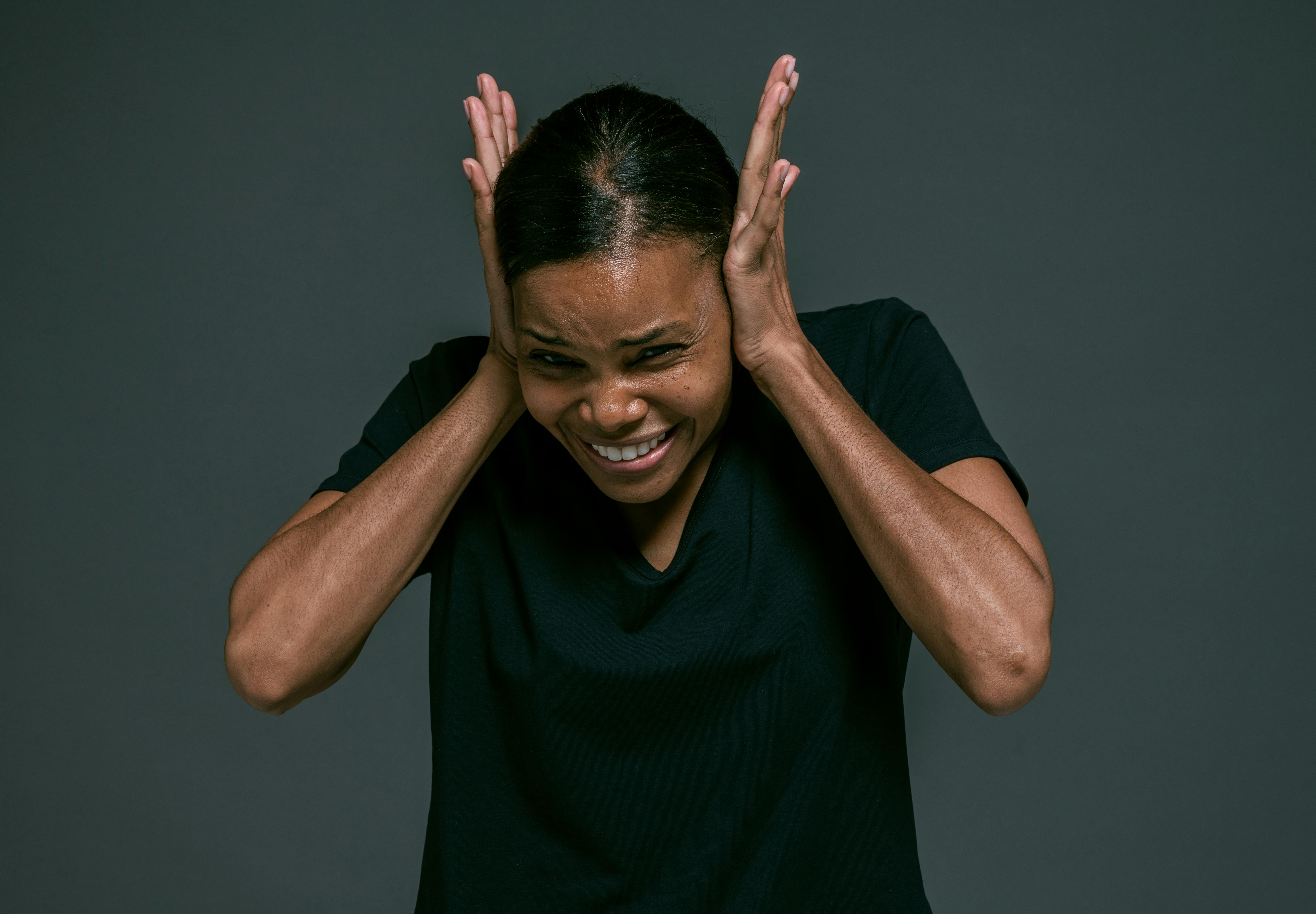
It’s easy to feel overwhelmed by what’s happening in the world.
Not just informed — but affected.
Pulled into reactions you didn’t intend to have.
Carrying emotions that don’t seem to originate entirely from your own life.
A headline lingers in the body.
A cultural moment sparks anger or hope.
A story about people you’ve never met feels strangely personal.
This isn’t a sign of weakness or overexposure. It’s a natural response to how collective attention and emotion now move.
This article isn’t about stepping away from culture, disengaging from media, or becoming more discerning in what you consume. It’s about slowing down enough to notice how culture works psychologically — how attention, emotion, and identity are shaped at scale, and why participating in that process can feel so immediate and personal.
Living Inside the Collective Field
Culture doesn’t exist “out there.”
It’s not something you occasionally interact with and then leave behind. It’s the shared field of stories, symbols, concerns, and emotions that surround everyday life.
Music, news, social platforms, political debates, celebrity moments, crises, celebrations — all of these move through the same psychological space.
What’s often overlooked is that culture doesn’t simply reflect events. It organizes attention.
Certain things are highlighted.
Others fade into the background.
Some emotions are amplified.
Others are rarely named.
Over time, this creates a shared sense of what matters, what’s threatening, what’s hopeful, and what deserves reaction.
The result isn’t manipulation. It’s participation.
How Collective Attention Forms
Attention at a cultural level is shaped less by importance and more by repetition.
What appears frequently begins to feel significant.
What is shared widely feels urgent.
What circulates continuously gains emotional weight.
This doesn’t require agreement.
Even disagreement keeps attention locked in.
A story repeated across platforms doesn’t just inform — it conditions familiarity. And familiarity creates salience.
The nervous system responds to what feels present, not to what is objectively most consequential.
So collective attention forms not through conscious choice, but through exposure.
What’s seen often enough begins to feel like reality itself.
Emotion at Scale
Emotions don’t stay contained within individuals.
They spread.
Fear spreads through language, tone, and emphasis.
Outrage spreads through moral framing.
Hope spreads through shared anticipation.
Belonging spreads through alignment.
None of this requires intention.
Emotion moves socially because humans are social.
When many people are oriented toward the same issue, reacting in similar ways, a collective emotional current forms. Being within that current can feel energizing, distressing, or both.
What’s important to notice is that these emotions don’t necessarily reflect personal experience.
They reflect shared attention.
And shared attention amplifies feeling.
Why Cultural Events Feel Personal
A common question arises: Why does this affect me so much?
Often, it’s because identity is involved.
Cultural events are rarely presented as neutral. They’re framed in ways that invite identification.
Who’s right.
Who’s wrong.
Who’s threatened.
Who belongs.
When a story aligns with values, beliefs, or group affiliation, it activates identity. Reaction then feels personal because it is personal — not to the event itself, but to the identity it touches.
This doesn’t mean people are being manipulated into caring. It means identity provides coherence.
Taking a position offers a sense of place.
Identity in the Collective
Collective identities simplify complexity.
They offer narratives that explain what’s happening and why it matters. Political identities, moral identities, cultural identities — all serve this function.
They answer questions like:
Where do I stand?
Who am I aligned with?
What does this say about me?
These identities don’t need to be rigid to be powerful. Even loosely held positions can carry emotional charge when reinforced socially.
Belonging is not abstract. It’s felt.
And culture is one of the primary ways belonging is experienced at scale.
The Pressure to Stay Engaged
Many people feel conflicted about media engagement.
There’s a sense of obligation — to stay informed, to care, to respond appropriately.
Stepping back can feel irresponsible.
Disengaging can feel like apathy.
Not reacting can feel like complicity.
This pressure doesn’t usually come from explicit rules. It arises from moral atmosphere.
When certain reactions are normalized, absence feels noticeable.
This doesn’t mean disengagement is wrong or right. It simply explains why it can feel difficult.
Participation is emotional, not just informational.
Media as Amplifier, Not Villain
It’s tempting to blame media itself.
Algorithms.
Platforms.
Technology.
But media doesn’t invent human psychology. It amplifies existing tendencies.
Humans attend to threat.
Humans seek belonging.
Humans respond to moral narratives.
Humans are influenced by repetition.
Media reflects and magnifies these traits because they already work.
Seeing media as the enemy obscures what’s more useful to notice: how attention and emotion are organized once they’re engaged.
Everyday Participation
This pattern isn’t limited to major events. It appears constantly.
Social Media
Posts circulate not just information, but tone. Mood spreads faster than facts. Engagement often reflects emotional resonance more than understanding.
News Cycles
Stories evolve, but emotional framing persists. Even when facts change, the feeling can remain.
Celebrity Culture
Public figures become symbols. Reactions to them often reflect shared projections more than personal relevance.
Cultural Debates
Arguments feel endless not because they lack resolution, but because they serve identity and belonging.
Moral Signaling
Expressions of virtue circulate socially, reinforcing group norms and emotional alignment.
In all of this, what’s being shared is not just content — it’s orientation.
Awareness Without Withdrawal
Noticing collective psychology doesn’t require stepping away from the world.
It doesn’t demand disengagement, silence, or neutrality.
It simply creates space.
Space between stimulus and reaction.
Space between identity and emotion.
Space between attention and absorption.
Awareness here isn’t about standing above culture. It’s about standing within it without being fully carried by every current.
Choice becomes possible when participation is seen clearly.
Related Explorations
If this resonates, these related articles explore the same pattern through different lenses:







Closing Orientation
Culture will continue to move.
Stories will circulate.
Emotions will rise and fall.
None of this needs to stop.
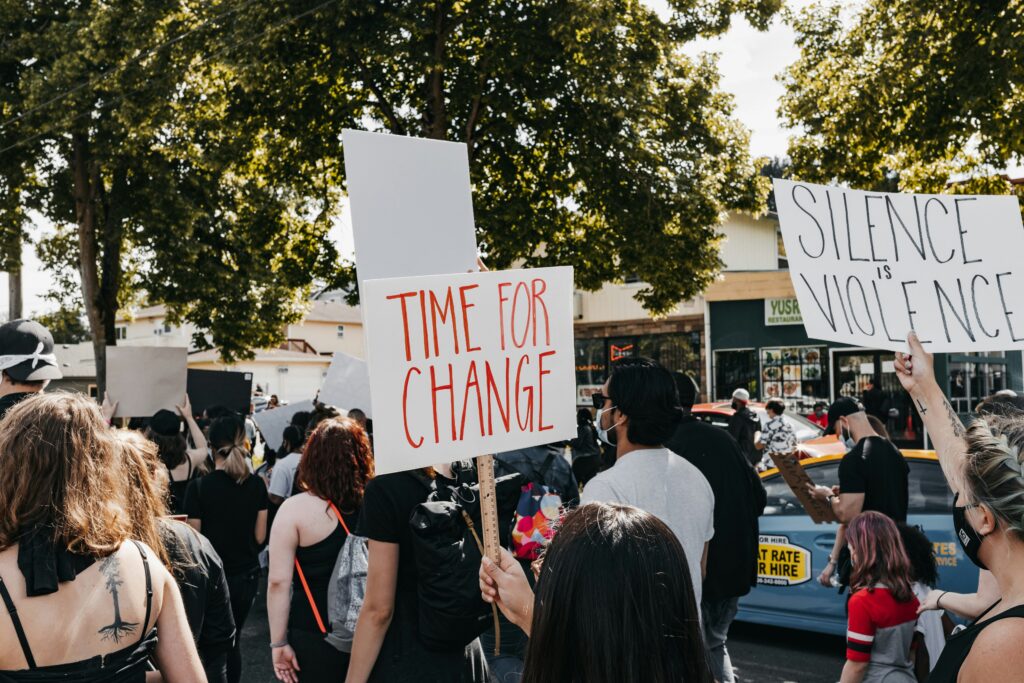
What often shifts is recognizing that what feels like reaction to the world is often participation in a shared psychological pattern.
Seeing that doesn’t demand withdrawal.
It simply returns attention to where experience is actually happening.
These themes are explored more fully in Proof That You’re God, not as cultural critique, but as an invitation to see how shared attention shapes experience.