There’s something quietly revealing about puzzles.
Not the finished image.
Not the challenge.
The way attention behaves while the hands are occupied.
We didn’t set out to create puzzles as products. We arrived at them the same way many of our projects begin: by noticing how often experience is interrupted by the demand to explain it.
Over years of conversations on the Dualistic Unity Podcast, LIVE episodes chatting in real-time with the audience, and Patreon long-form discussions, one pattern kept repeating. People weren’t struggling because life was confusing. They were struggling because every moment was being turned into a question it was never meant to answer.
What does this mean?
What should I do with this?
What does this say about me?
The puzzle emerged as a way to let experience exist without commentary.
When Attention Has Nothing to Prove
A puzzle does something subtle. It gives the hands a clear task while leaving the mind without an assignment.
There’s no identity to defend while fitting pieces together.
No narrative to maintain.
No outcome to justify the moment.
Attention rests because it’s no longer being asked to perform.
This same dynamic—how attention tightens when experience is treated as a problem—shows up far beyond puzzles. We’ve explored it more broadly in our writing on awareness and perception, particularly around why clarity often feels harder the more we understand, where the demand for explanation can quietly make experience feel more strained rather than more open:
https://dualisticunity.com/why-clarity-often-feels-harder-the-more-we-understand/
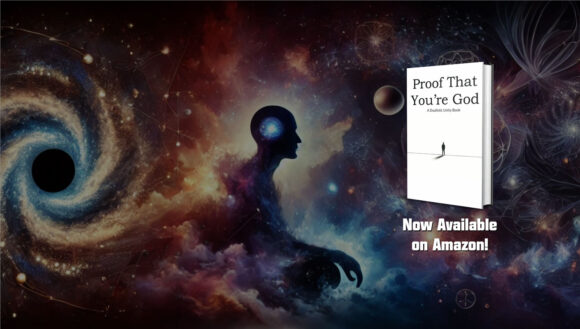
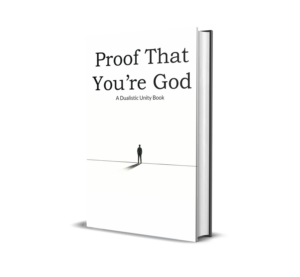
This is something we’ve explored deeply in Proof That You’re God: the way experience becomes heavy only after it’s wrapped in explanation. The book isn’t about adding meaning to life — it’s about noticing what life feels like before meaning arrives.
Puzzling creates that same opening.
From Insight to Object
We didn’t want to create puzzles that entertained or distracted. There are already plenty of those.
We wanted to create puzzles that interrupt the reflex to turn experience into a story.
That intention shaped every part of The Noticing Series — from the imagery to the titles to the pacing of the scenes themselves.
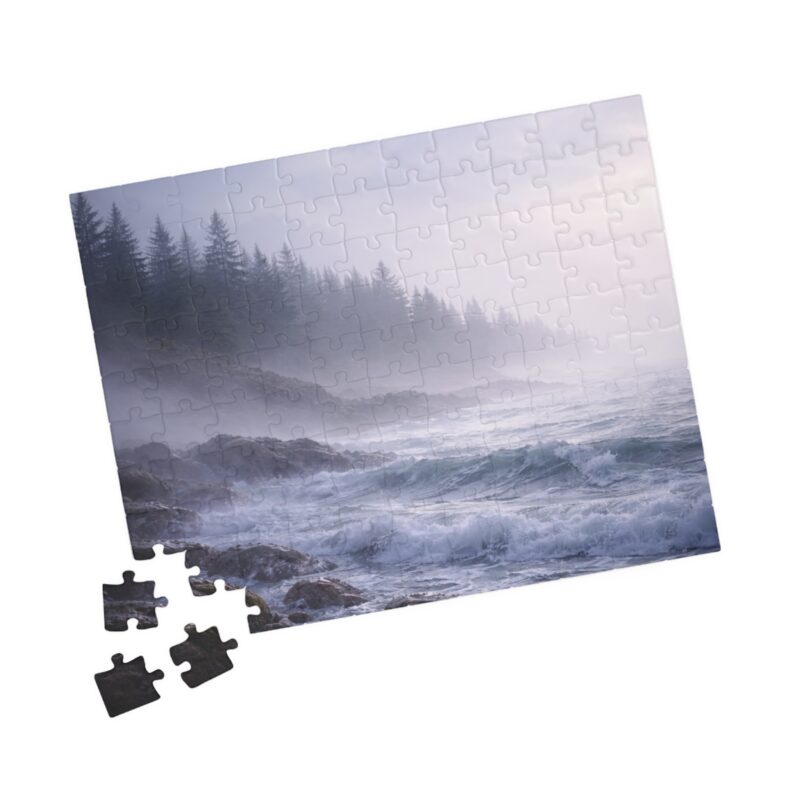
The first three puzzles weren’t designed as one-offs. They form a quiet progression:
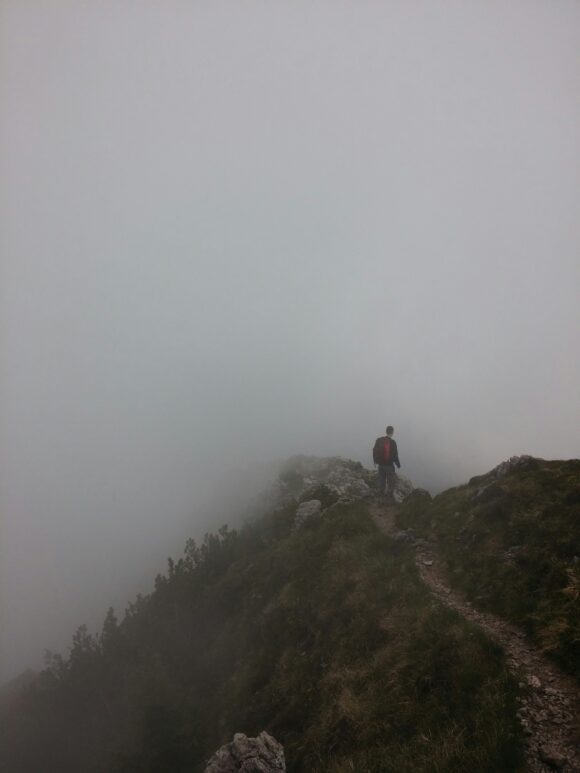
- Where Attention Rests — noticing stillness
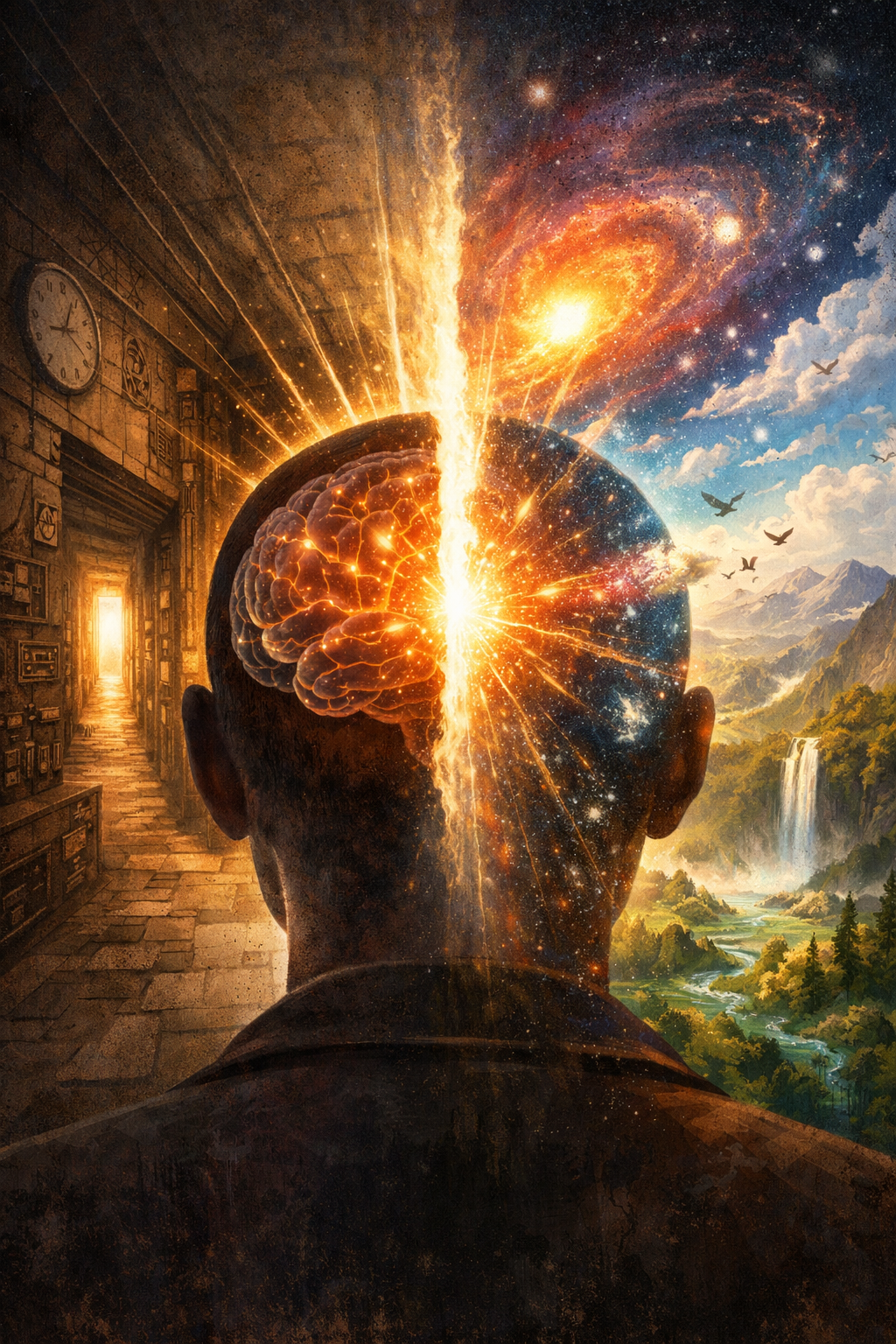
- Nothing Needs Fixing — noticing movement without control
- Far Enough — noticing perspective without withdrawal
Each image invites attention without directing it. No obvious focal point. No destination. No instruction hidden in the scene.
Just space.
You can find the first puzzle here:
https://www.etsy.com/listing/4440105590/the-noticing-puzzle-series-where
Existence Isn’t a Problem to Solve
One of the most persistent habits we see — in ourselves as much as anyone — is the assumption that experience needs improvement.
That if something feels unclear, it must be resolved.
If something feels uncomfortable, it must be fixed.
If something feels quiet, it must be filled.
But existence isn’t a problem set. And awareness doesn’t require commentary to function.
A puzzle offers a rare permission: to stay with what’s happening without needing to conclude anything about it.
That permission is the same one running underneath Proof That You’re God — not as a conclusion to reach, but as an experience to notice.
The Language of Noticing
As with Birthday Without a Story, language mattered deeply in this project.
We avoided titles that instructed or explained. We avoided phrasing that promised improvement or insight. Instead, we chose words that simply point.
Not:
- “Focus”
- “Mindfulness”
- “Transformation”
But:
- Where Attention Rests
- Nothing Needs Fixing
- Far Enough
These aren’t goals. They’re descriptions of what’s already possible.
A Puzzle That Doesn’t Ask Anything of You
The most common feedback we hear from people who try the puzzles is relief.
Relief at not needing to rush.
Relief at not needing to interpret.
Relief at being allowed to sit with something without turning it into a takeaway.
That relief isn’t accidental. It’s the same relief that shows up when a birthday doesn’t require a life summary, or when identity loosens just enough to stop demanding coherence.
A puzzle like this doesn’t make life clearer.
It makes it quieter.
An Invitation, Not a Product Line
The Noticing Series isn’t meant to become a collection you complete. It’s meant to be something you return to when experience feels crowded.
The puzzles don’t teach.
They don’t heal.
They don’t optimize.
They simply create conditions where noticing can happen on its own.
For those who want a tangible way to explore this, the first puzzle in the series is available here:
👉 https://www.etsy.com/listing/4440105590/the-noticing-puzzle-series-where
And for those who recognize this way of seeing, it will feel familiar — because it’s the same invitation that runs through Proof That You’re God: not to adopt a new belief, but to notice what remains when belief isn’t required.
Sometimes, the most honest thing attention can do is rest.