
Most people aren’t exhausted because life is hard.
They’re exhausted because they’re constantly trying to become someone better than who they are right now.
At some point, self-improvement stopped being about curiosity and started feeling like surveillance.
Every thought monitored.
Every emotion evaluated.
Every reaction questioned.
Should I be feeling this?
Why am I still triggered by that?
What belief do I need to fix so this finally stops happening?
And because the language sounds responsible—growth, healing, awareness—it rarely gets questioned. It just gets internalized.
So the pressure doesn’t feel like pressure.
It feels like failure.
Failure to be evolved enough.
Failure to be healed enough.
Failure to finally arrive at the version of yourself that won’t need so much work.
But here’s the part most people never stop to examine:
What if the drive to constantly improve isn’t coming from clarity at all?
What if it’s coming from fear—just dressed up in better vocabulary?
When Growth Becomes a Full-Time Job
There’s nothing inherently wrong with wanting to understand yourself.
But somewhere along the way, “working on yourself” quietly became a moral obligation. A background task that never shuts off. A sense that if you’re still struggling, you must be missing something—or doing something wrong.
So the effort increases.
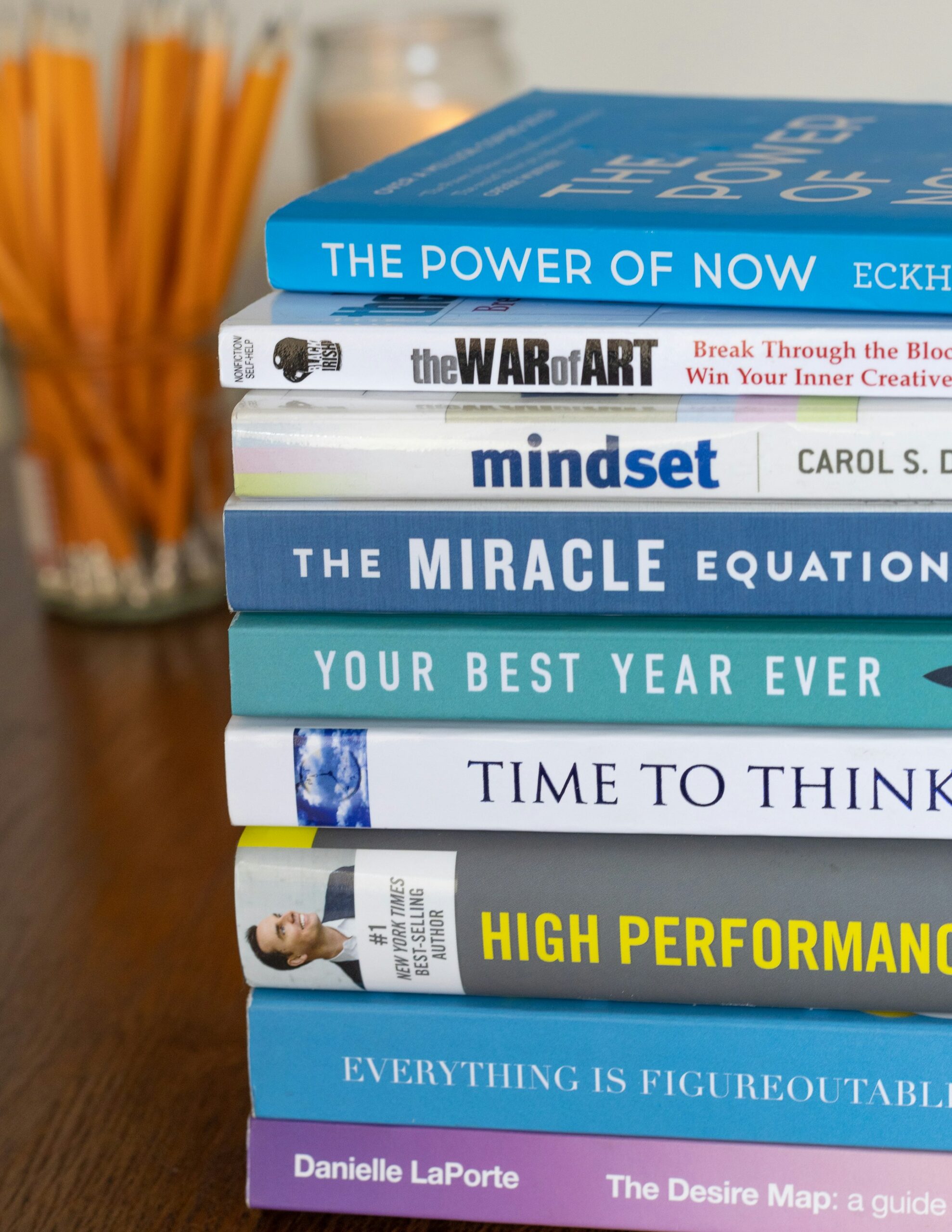
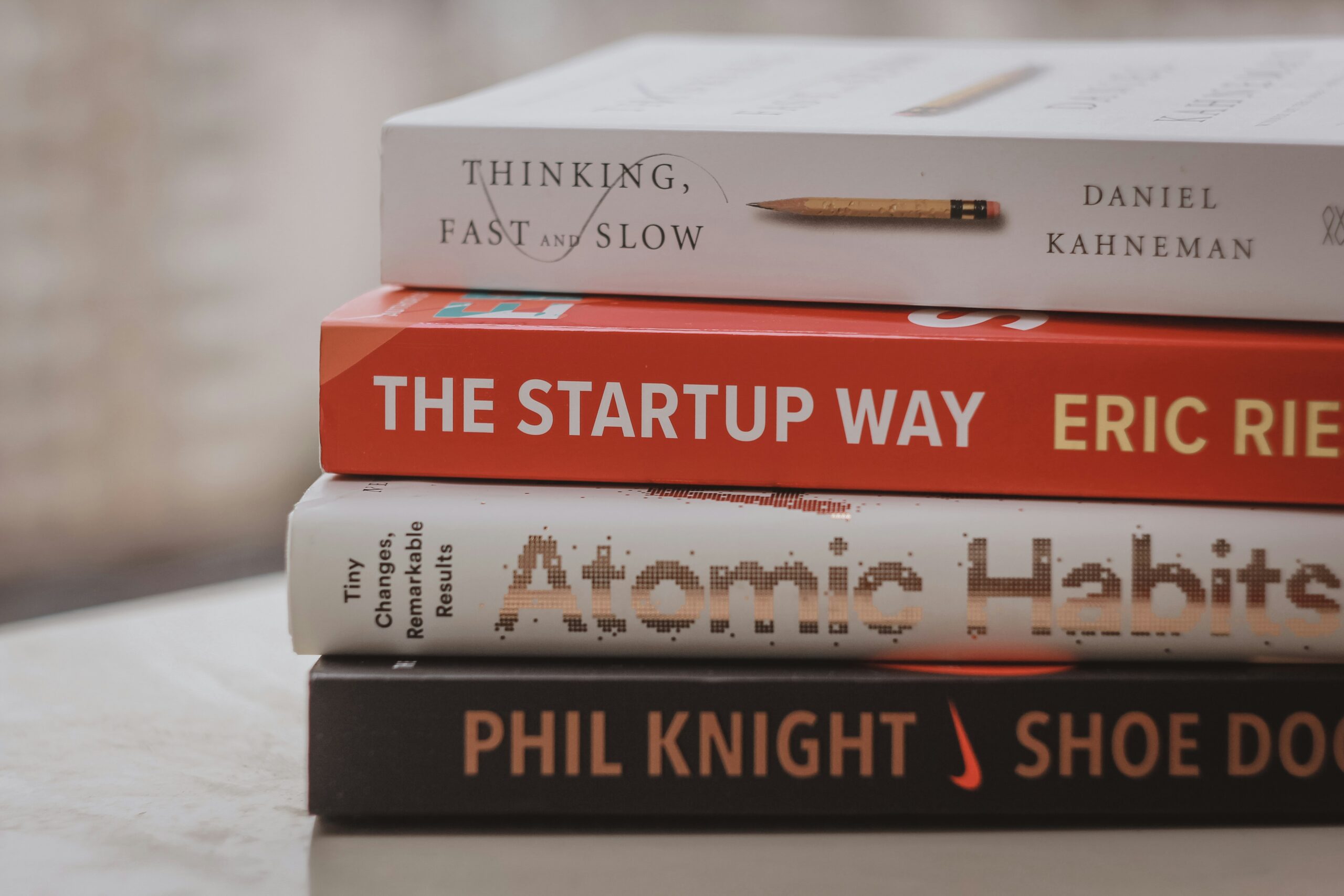
More books.
More practices.
More self-analysis.
More watching yourself watching yourself.
And because the goal is always framed as freedom or peace, it’s easy to miss what’s actually happening underneath: a constant attempt to manage internal experience so discomfort doesn’t arise.
That’s not growth.
That’s control.
Not the loud, obvious kind—but the subtle kind that feels intelligent, reasonable, even noble.
This pattern shows up everywhere once you see it, especially in how we relate to emotions, anxiety, and inner resistance. It’s part of the broader dynamic explored in why control doesn’t bring relief—not as an idea, but as a lived experience of trying to secure safety through effort.
Fear Doesn’t Mean You’re Broken
Fear isn’t a personal flaw.
It’s a protective response shaped by conditioning, memory, and nervous system learning. It’s the body trying to anticipate and prevent perceived danger—often long after the original threat is gone.
The problem isn’t fear.
The problem is when fear becomes the unseen driver of self-improvement.
Because fear always needs a project.
If you believe safety lies somewhere in the future—after enough healing, enough insight, enough self-correction—then the present moment will always feel insufficient.
And the self becomes a never-ending construction site.
There’s always another belief to examine.
Another reaction to soften.
Another part of you that hasn’t quite caught up yet.
What starts as curiosity slowly becomes self-hostility, even though it doesn’t feel that way. It feels like responsibility. Like maturity. Like doing the work.
But underneath it all is a quiet message that rarely gets spoken:
Who I am right now is not enough.
The Subtle Violence of “Fixing Yourself”
Here’s the paradox most people never notice:
The more earnestly you try to fix yourself, the more you reinforce the belief that something is wrong with you.
Not because you are broken—but because fear always points to a problem.
Self-improvement culture rarely acknowledges this. In fact, it thrives on it.
There is always a new method.
A deeper layer.
A more refined understanding you haven’t reached yet.
And if you’re still uncomfortable, anxious, reactive, or unsure, the implied conclusion is obvious: keep going.
Try harder.
But no amount of internal optimization ever creates the safety it promises. Because safety isn’t something the self can achieve.
Safety is the absence of resistance to what’s already happening.
And resistance can’t be eliminated through effort—it dissolves through awareness.
Growth Doesn’t Need Your Judgment
One of the quiet fears underneath all of this is the belief that without constant self-correction, nothing will change.
That if you stop judging yourself, you’ll stop evolving.
That if you loosen the pressure, you’ll become complacent.
That growth requires criticism to function.
But look more closely at how life actually works.
Change happens anyway.
You didn’t have to force yourself to outgrow childhood.
You didn’t have to shame yourself into learning how relationships work.
You didn’t berate yourself into emotional maturity.
Experience did that.
Time did that.
Action did that.
Friction, feedback, and consequence did that.
Growth is not something you manufacture through judgment.
It’s something that unfolds through living.
Action still happens.
Learning still happens.
Patterns still change.
What drops away is the unnecessary belief that you must be wrong now in order to be different later.
Judgment doesn’t accelerate growth.
It only makes the process tense, personal, and exhausting.
Why This Feels So Personal
If any of this stings, it’s not because it’s accusing you.
It’s because it’s describing something you’ve been living inside.
Most people drawn to self-improvement aren’t lazy or avoidant. They’re conscientious. Reflective. Deeply invested in understanding themselves.
Which is exactly why this pattern takes hold so easily.
The intelligence that could be used for insight gets redirected into management.
The sensitivity that could allow experience becomes another reason to intervene.
And the result is a particular kind of burnout—one that doesn’t come from doing too much in the world, but from never resting inside yourself.
You’re always on.
Always watching.
Always adjusting.
Always bracing.
Awareness Is Not Another Project
Awareness doesn’t improve the self.
It reveals that the self doesn’t need improvement.
This isn’t a belief to adopt or a philosophy to defend. It becomes obvious when effort relaxes enough for experience to be felt without interference.
When attention stops trying to change what arises, something unexpected happens: the struggle softens on its own.
Not because you did it right.
Not because you found the correct method.
But because resistance stopped being fed.
That’s why real insight feels relieving rather than motivating.
It doesn’t say, “Here’s what you should do next.”
It says, “Oh… this was never a problem in the way I thought it was.”
Effortlessness Is Not Inaction
Letting go of self-improvement as a fear response doesn’t mean you stop responding to life.
You’ll still make choices.
You’ll still take action.
You’ll still feel consequences.
Life doesn’t pause because you stopped judging yourself.
Relationships still give feedback.
Circumstances still apply pressure.
Time still reveals what works and what doesn’t.
When self-judgment steps out of the way, growth doesn’t stop—it becomes simpler.
More honest.
More organic.
More humane.
Not because you’ve given up on yourself, but because you’ve stopped fighting a process that was already happening.
The End of the Improvement Loop
None of this means curiosity disappears.
It means growth stops being compulsory.
Presence replaces strategy.
Understanding replaces effort.
Clarity replaces self-management.
You may still read.
Still reflect.
Still explore what it means to be human.
But it’s no longer driven by fear trying to secure the future.
It’s driven by awareness responding to what’s already here.
And that’s the difference between self-improvement and self-understanding.
One is fueled by fear wearing a smarter outfit.
The other doesn’t need an outfit at all.
A Quiet Invitation
If this resonates, there’s nothing you need to do with it.
No practice to adopt.
No habit to change.
No part of yourself to fix.
Just notice the difference between trying to become someone else—and allowing yourself to be exactly where you already are.
That noticing isn’t passive.
It’s the beginning of relief.
Publishing Closure
If this exploration speaks to something you’ve been living, Proof That You’re God goes deeper into these patterns—not as a system to follow, but as an invitation to recognize what’s already true beneath the effort to become “better.”