
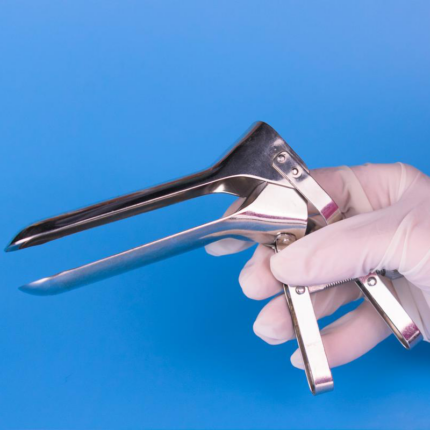
For nearly two centuries, one of the most commonly used tools in women’s healthcare barely changed.
The vaginal speculum — a device used during gynecological exams to examine the vagina and cervix — has long been associated with discomfort, fear, and anxiety. Despite enormous advances in medicine and technology, its basic design remained largely the same since the mid-19th century.
That is now changing.
Female engineers have developed a new speculum design that challenges not just the shape of the tool, but the assumptions behind it — assumptions about pain, compliance, and whose experience matters in medical design.
A Tool Frozen in Time
The modern speculum traces its roots to designs popularized in the 1800s, most notably by J. Marion Sims. While his work helped formalize gynecology as a medical field, many of the instruments and techniques associated with that era were developed without patient comfort as a priority — and in ways that would be considered unethical by today’s standards.
Despite this, the speculum’s cold metal or rigid plastic “duckbill” form persisted. For generations, patients were told discomfort was normal, unavoidable, or simply part of necessary care.
Studies and patient reports consistently show that fear and pain associated with speculum exams cause many people to delay or avoid routine gynecological screenings — including cervical cancer checks — with real consequences for long-term health.
Rethinking the Speculum from the Ground Up
At Delft University of Technology (TU Delft) in the Netherlands, two engineers decided to ask a question that had been largely ignored for decades:
What if this tool was designed around the patient’s experience instead of just clinical access?
- Tamara Hoveling, PhD candidate in medical industrial design
- Ariadna Izcara Gual, industrial design engineer
Together, they developed Lilium, a redesigned vaginal speculum prototype named after the lily flower.
What Makes the New Design Different
Lilium departs dramatically from the traditional speculum in both form and philosophy:
- Soft, medical-grade thermoplastic vulcanizate (TPV) replaces cold metal or rigid plastic
- Three flexible, petal-like segments gently expand rather than forcibly spreading
- Tampon-like applicator insertion, designed to feel more familiar and less intimidating
- Option for self-insertion, giving patients greater control if they choose
- Three-way opening that maintains clinical visibility while reducing pressure and pain
The goal is not just comfort for comfort’s sake. By reducing fear and physical stress, the designers aim to make women’s preventive care more accessible and less avoidant.
Why This Innovation Matters
Avoidance of gynecological exams is a documented issue. Research and public health data suggest that a significant number of people postpone or skip pelvic exams due to anxiety or discomfort associated with speculum use.
This matters because:
- Pap smears and cervical exams save lives through early detection
- Fear-driven avoidance disproportionately affects younger patients, trauma survivors, and marginalized groups
- A single poorly designed tool can create long-term resistance to care
By addressing design at the root, Lilium represents a shift toward patient-centered medical engineering — a model that treats emotional experience as part of health, not an inconvenience.
Where the Project Stands Now
Lilium is currently a prototype, not yet approved for clinical use. The team continues to:
- Refine materials and ergonomics
- Conduct usability and safety testing
- Seek regulatory approval and clinical partnerships
Public response has been strong, including rapid support through crowdfunding initiatives in the Netherlands, signaling widespread demand for change.
More Than a New Tool
What makes this story resonate isn’t just the device itself — it’s the pattern it reveals.
A medical tool used exclusively on women remained fundamentally unchanged for nearly 180 years. Not because improvement was impossible, but because discomfort had been normalized.
Lilium suggests something quietly radical:
When designers take lived experience seriously, “that’s just how it’s always been” stops being an acceptable answer.
Closing Note
The story of the speculum is not just a story about medical design. It’s a story about how discomfort becomes normalized, how certain experiences are quietly dismissed, and how harm can persist simply because it has always been there.
For more than a century, pain and fear were treated as unavoidable features of gynecological care — not because better options were impossible, but because questioning the design meant questioning deeper assumptions about control, authority, and whose comfort mattered.
This reflection is part of a broader exploration into how fear, once embedded into systems and tools, often gets mistaken for protection or necessity.
These themes are explored more deeply in Proof That You’re God, a book about awareness, responsibility, and what becomes possible when we stop organizing our lives around fear we’ve learned to accept as normal.
👉 https://www.amazon.com/dp/B0DKCMR183/
Reflection
Where in your own life — or in the systems you participate in — has discomfort been quietly justified simply because “that’s how it’s always been”?