
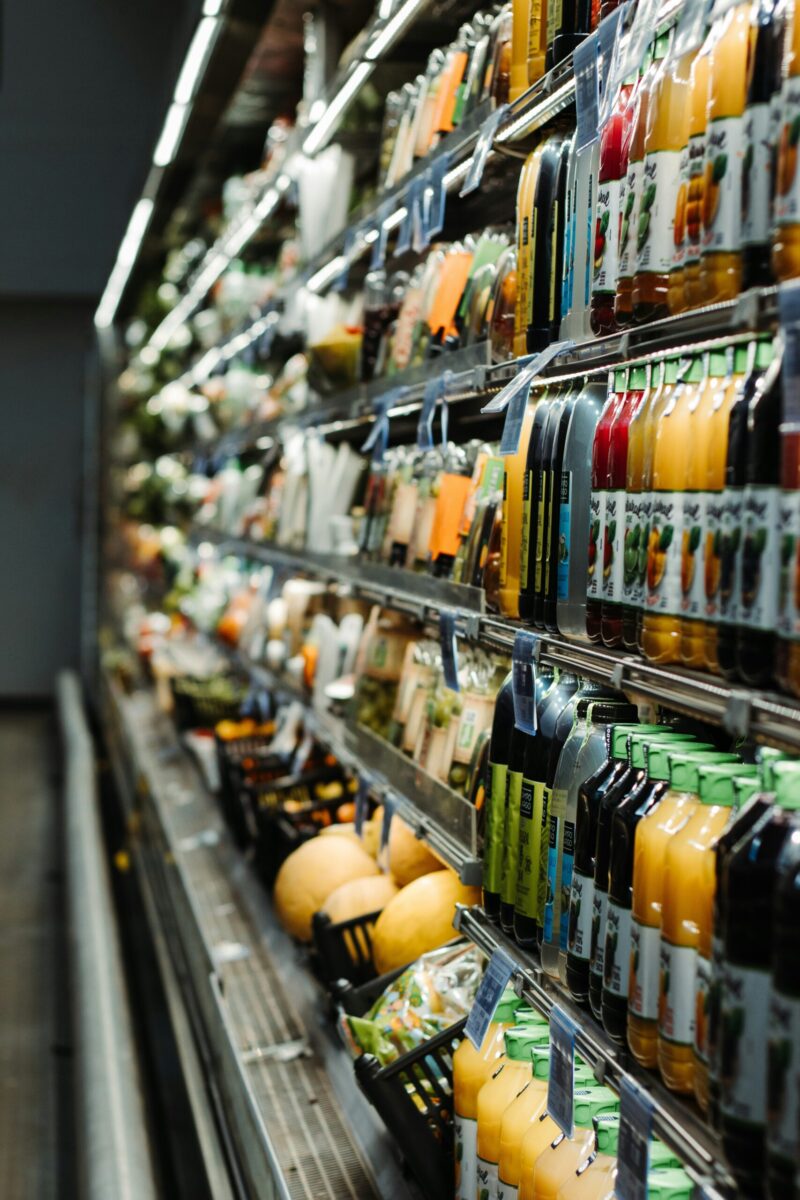
For millions of households across the United States and Canada, grocery shopping has become one of the most stressful parts of the week.
Food prices have risen significantly over the past several years due to a combination of inflation, supply chain disruptions, higher transportation costs, climate-related impacts on agriculture, labor shortages, and global events that have affected energy and food production. Although inflation has slowed from its peak, grocery prices in both countries remain substantially higher than they were before 2020. According to government statistics in both the U.S. and Canada, many staple foods continue to cost considerably more than they did just a few years ago.
Families have responded by changing how they shop and cook. Social media has popularized what many call “recession recipes”—simple, inexpensive meals built around affordable ingredients that can feed several people without requiring expensive specialty products. While the term is new, the idea is not. Every generation that has experienced financial hardship has developed creative ways to make food last longer.
Stretching a grocery budget does not mean eating poorly.
In many cases, it simply means becoming more intentional about where every dollar goes.
Here are ten practical, evidence-based strategies that can help reduce grocery costs while still providing nutritious meals.
1. Build Meals Around Affordable Staple Foods
One of the most consistent findings from nutrition and household budgeting experts is that meals become significantly less expensive when built around inexpensive staple ingredients.
Rice, dried beans, lentils, oats, potatoes, pasta, barley, split peas, and frozen vegetables provide large amounts of nutrition for relatively little cost. These foods also store well, reducing waste and allowing families to buy in larger quantities when prices are favorable.
Instead of beginning meal planning with expensive cuts of meat, consider starting with these staples and adding smaller amounts of protein and vegetables around them.
Many traditional cuisines around the world have followed this pattern for centuries.
2. Learn a Few “Recession Recipes”
Periods of economic hardship have always inspired creative cooking.
Meals such as lentil soup, bean chili, vegetable stew, baked potatoes topped with beans and cheese, fried rice, homemade pasta salads, oatmeal, egg sandwiches, tuna casserole, shepherd’s pie, peanut butter sandwiches, homemade vegetable soup, and rice with eggs remain popular because they are inexpensive, filling, and adaptable.
Another way of looking at this is to recognize that many foods now marketed as comfort food originally developed because families needed to make limited ingredients stretch further.
Simple recipes often survive because they work.
3. Frozen and Canned Foods Can Be Excellent Choices
Fresh produce is wonderful when it fits the budget.
It is also one of the most commonly wasted food categories.
Frozen fruits and vegetables are typically frozen shortly after harvesting, preserving much of their nutritional value. Canned vegetables and beans can also provide excellent nutrition, especially when choosing lower-sodium varieties or rinsing canned beans before use.
Because frozen foods last much longer, they often reduce the amount of food that ends up in the garbage.
Less waste means more value.
4. Plan Meals Before Shopping
Impulse purchases remain one of the largest contributors to grocery overspending.
Research on consumer behavior consistently finds that shoppers who plan meals, create shopping lists, and stick to them generally spend less than those who shop without a plan.
Meal planning also helps ensure ingredients are used across multiple meals.
For example, a roasted chicken can become sandwiches the next day, then contribute to soup using the remaining meat and bones. Vegetables purchased for tacos can later be used in stir-fries, omelets, or pasta.
Each ingredient works harder.
5. Reduce Food Waste
The United Nations estimates that roughly one-third of food produced globally is lost or wasted.
Much of that waste happens inside our own kitchens.
Notice what happens when leftovers become tomorrow’s lunch instead of tomorrow’s garbage.
Vegetables approaching the end of their freshness can become soup.
Overripe bananas become banana bread or smoothies.
Stale bread becomes croutons, breadcrumbs, French toast, or bread pudding.
Chicken bones can become homemade broth.
Using what you already own before buying more is one of the simplest ways to lower grocery bills.
6. Choose Store Brands When Possible
Many store-brand products are manufactured in the same facilities as name-brand products while selling at noticeably lower prices.
Independent testing organizations have repeatedly found that store-brand pantry staples, dairy products, canned goods, baking supplies, and frozen foods often offer comparable quality at reduced cost.
Brand recognition does not always translate into better nutrition or better taste.
Comparing unit prices rather than package prices can also reveal which products truly offer better value.
7. Use Meat as an Ingredient Instead of the Main Event
Meat is often one of the most expensive items in a grocery cart.
This does not mean everyone needs to become vegetarian.
Consider using smaller amounts of meat to flavor meals rather than making it the centerpiece. Chicken added to vegetable stir-fry, ground beef mixed with beans in chili, or sausage sliced into pasta dishes can provide satisfying flavor while reducing overall cost.
Beans, lentils, eggs, tofu, yogurt, and peanut butter also provide affordable sources of protein that can replace meat in some meals without sacrificing nutrition.
Many dietary guidelines encourage including a variety of protein sources for both health and affordability.
8. Snack Smarter
Packaged snack foods are often among the highest-cost items when measured by serving size.
It is easy to spend several dollars on a bag of chips that disappears in one evening.
Homemade popcorn, apples with peanut butter, yogurt, carrots and hummus, hard-boiled eggs, bananas, homemade trail mix, oatmeal, roasted chickpeas, and homemade muffins frequently cost much less per serving while providing greater nutritional value.
Preparing snacks in advance also makes healthier choices more convenient during busy days.
9. Shop Seasonal and Watch Sales Carefully
Fresh produce is usually least expensive when it is in season.
Buying strawberries during peak harvest often costs considerably less than purchasing them during winter months after long-distance transportation.
Sales can also produce significant savings, but only when buying products you already use.
The difficulty begins when discounts encourage purchases that eventually spoil before being eaten.
A bargain is only a bargain if it gets used.
10. Cook More Than You Need
Cooking larger batches is one of the oldest money-saving strategies because it saves both food and time.
A large pot of soup, chili, pasta sauce, curry, or stew can provide several meals throughout the week while reducing energy use and eliminating the temptation to order takeout after a long day.
Freezing individual portions creates inexpensive ready-made meals for future weeks.
Over time, a freezer stocked with homemade meals becomes something like your own affordable convenience store.
Budgeting Is About More Than Money
When finances become tight, grocery shopping can quietly become emotionally exhausting.
Every decision begins to carry additional weight.
Can we afford fresh fruit this week?
Should we buy meat or stretch it another few days?
Can we justify a small treat for the children?
These are not simply financial calculations.
They are emotional ones.
It is easy to assume that budgeting reflects personal failure. In reality, millions of households across North America are making similar calculations every week. Rising food prices have affected people across income levels, leading many families to rediscover practical cooking skills that previous generations considered ordinary.
There is dignity in adapting.
Learning to cook simple meals, reducing waste, planning ahead, and making thoughtful choices are not signs of scarcity. They are signs of resilience.
Continue the Exploration
Food has always been about more than survival. It is connected to family, culture, comfort, celebration, generosity, and community. When money becomes tight, it is understandable for grocery shopping to become a source of stress and anxiety. Yet even during difficult seasons, the way we respond to challenge often reveals something deeper about ourselves. Resourcefulness, gratitude, patience, and creativity frequently emerge when circumstances demand them.
If this article resonated with you, consider reading Proof That You’re God. The book explores how our relationship with fear, uncertainty, identity, and control shapes everyday life—including the ordinary moments that often teach us the most about who we are.