
Morality relies on rules. Empathy relies on awareness. This article explores why rules exist, what they can’t do, and how empathy prevents harm where morality only limits it.

Observations on culture, media, politics, celebrity, and collective behavior through the lens of awareness. These pieces examine how attention, outrage, fear, and identity are shaped at scale — and why the world often feels louder, faster, and more reactive than it needs to be.
Morality relies on rules. Empathy relies on awareness. This article explores why rules exist, what they can’t do, and how empathy prevents harm where morality only limits it.

Religion is often credited with doing good in the world. But what if people act compassionately on their own — and religion simply claims moral ownership afterward? This article explores empathy, morality, and the cost of confusing the two.

The world can feel overwhelming not because it’s chaotic, but because attention, emotion, and identity are being shaped collectively and continuously.

John Astin’s work—from Gomez Addams to Buddy Ryan—carried a rare ease. This tribute explores his roles, life, and enduring presence.

Political moments become overwhelming when belief turns into identity. What changes when that attachment is noticed?

A historic shift in U.S. cannabis policy may soon ease federal restrictions — but what does it really mean for the industry and for our broader understanding of limits and possibility?

Macaulay Culkin weighed in on the annual Die Hard debate, dismissing it as a Christmas movie and jokingly naming himself the “godfather of Christmas” based on his role in Home Alone. It was a funny moment—but it also revealed something more interesting about how nostalgia, ego, and past roles quietly get mistaken for authority. This isn’t really about Die Hard. It’s about who we think gets to...

Every December, a familiar argument resurfaces: Is Die Hard a Christmas movie?
The answer is simpler than the debate suggests.
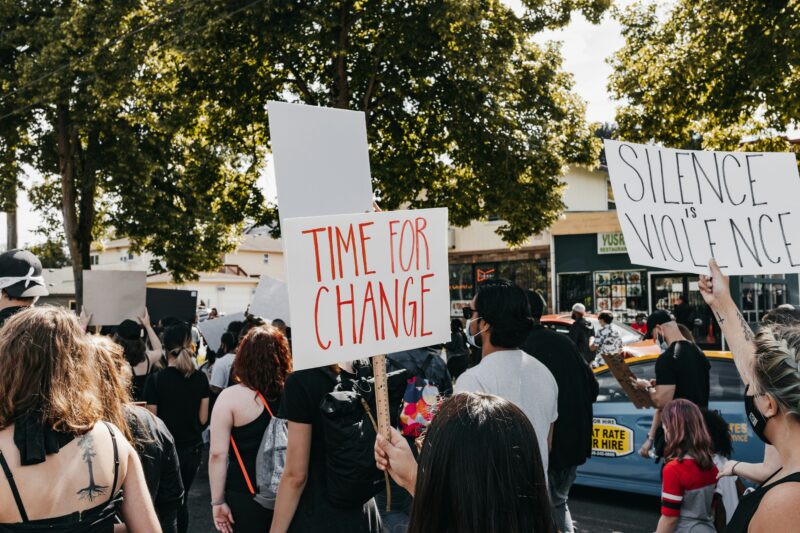
How to stay engaged without being consumed in an age of constant reaction Political headlines arrive charged with emotion. Outrage spreads faster than context.Hot takes replace conversation.Every new statement seems to demand an immediate reaction. In moments of heightened political controversy, it can feel irresponsible not to react — and yet exhausting to keep doing so. Many people find...

And What It Reveals About Trust, Perception, and the Fragility of Reality We’re living in a moment where reality doesn’t disappear—it fragments. A video circulates online. It feels real. It sounds real. It confirms what someone already believes. And within hours, it’s been shared thousands—or millions—of times before anyone asks whether it’s true. By the time platforms step in, the damage isn’t...